
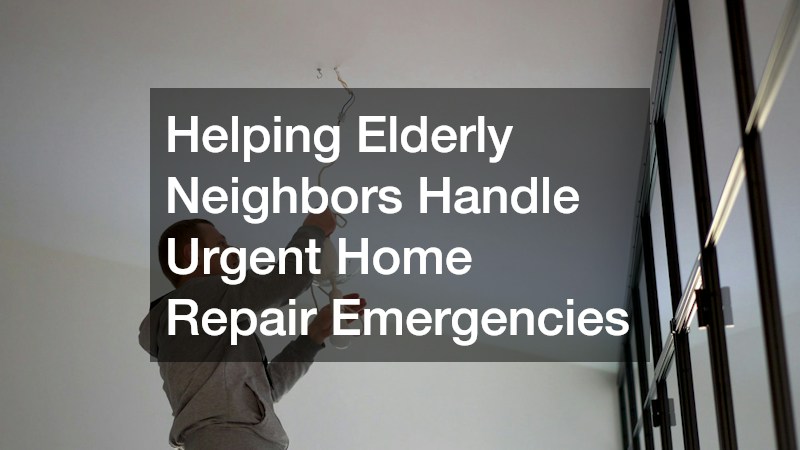
When a pipe bursts or the power goes out in the middle of a heat wave, most of us know how to spring into action. But for an elderly neighbor living alone, the same emergency can turn into a dangerous, isolating ordeal. Knowing how to step in quickly and calmly, without overstepping, can make the difference between a minor inconvenience and a serious safety risk. This guide walks through the most common home repair emergencies affecting older adults and how you can help them respond safely and confidently.
Recognizing the Warning Signs of a Developing Emergency
Many home emergencies do not happen suddenly; they build up over days or weeks, especially in homes where an elderly resident may not notice or report small problems. A faint burning smell, a dripping ceiling stain, or a flickering light can be early indicators of something more serious brewing behind the walls. Checking in regularly gives you a chance to catch these signs before they escalate into a crisis.
Older adults sometimes hesitate to mention problems because they worry about being a burden or fear the cost of repairs. Building trust and asking direct, specific questions can help surface issues they might otherwise keep quiet about.
- Unusual odors, especially gas, mold, or burning smells
- Discolored or sagging ceiling and wall areas
- Unexplained spikes in utility bills
- Flickering lights or outlets that feel warm to the touch
- Standing water or persistent dampness in basements
Responding Quickly to Burst Pipes and Water Leaks
Water damage spreads fast, and for an elderly person who may have mobility limitations, simply reaching the shutoff valve can be a challenge. If you are called to help, the first priority is always to stop the water source before worrying about cleanup. Knowing the location of the main water shutoff valve in your neighbor’s home ahead of time can save precious minutes during an actual emergency.
Once the water is off, focus on protecting the home from further damage while a professional is contacted. Standing water left untreated can lead to mold growth within 24 to 48 hours, which poses real health risks to older adults with respiratory conditions.
- Locate and label the main water shutoff valve during a calm, non-emergency visit
- Keep towels, a wet vacuum, or buckets on hand for quick cleanup
- Move furniture and electronics away from the affected area
- Document damage with photos for insurance purposes
- Call a licensed plumber promptly if the leak is not a simple fix
Keeping Elderly Neighbors Safe When Cooling Systems Fail
Heat-related illness is one of the most serious risks facing older adults, and a broken cooling system during a summer heat wave can quickly become life-threatening. Seniors are often more sensitive to temperature extremes due to medications, chronic health conditions, or reduced ability to regulate body temperature. If a neighbor’s unit stops working, do not wait to see if it resolves on its own; treat it as a priority.
Scheduling air conditioning repair as soon as symptoms of a malfunction appear, such as warm air blowing from vents or unusual noises, can prevent a short-term inconvenience from becoming a health emergency. In the meantime, helping your neighbor relocate to a cooler room in the house or a nearby cooling center can provide immediate relief while repairs are arranged. Many communities also offer emergency fans or portable AC loaner programs specifically for elderly residents during extreme heat events.
- Check indoor temperature with a simple thermometer if the home feels unusually warm
- Encourage hydration and light clothing while waiting for repairs
- Identify the nearest cooling center or air-conditioned public space in advance
- Keep a list of trusted local repair technicians for quick scheduling
- Watch for signs of heat exhaustion, including confusion, dizziness, or rapid heartbeat
Addressing Exterior Damage After Storms and Severe Weather
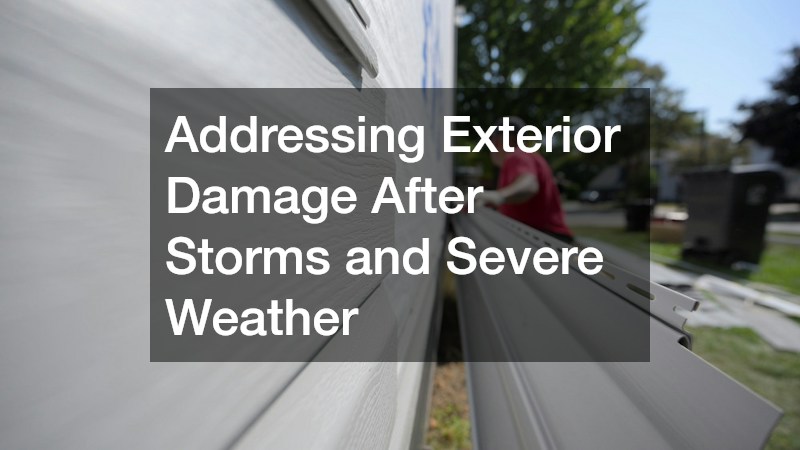
High winds, hail, and heavy rain can loosen or damage the exterior protection of a home, leaving it vulnerable to further water intrusion. Elderly homeowners may not notice damage to higher areas of their house, such as upper walls or areas near the roofline, simply because they cannot safely inspect them. A walk around the property after a storm can reveal cracked, warped, or missing sections that need prompt attention.
When damage is found, reaching out to experienced siding contractors for an inspection is a sensible next step, since exterior damage left unaddressed can lead to moisture seeping into insulation and framing. Getting a few repair estimates together can also help an elderly neighbor on a fixed income make a confident, informed decision without feeling rushed or pressured.
- Look for cracked, loose, or missing exterior panels after any major storm
- Check around windows and doors for gaps or water staining
- Take photos of damage promptly for insurance claims
- Compare at least two or three repair quotes before committing
- Ask whether a tarp or temporary cover is needed to prevent further damage
Handling Electrical Problems and Power Outages Safely
Electrical issues carry the highest risk of fire and injury, so caution is essential when helping an elderly neighbor through one. If breakers trip repeatedly, outlets spark, or lights dim unexpectedly, these are signs that should never be ignored or handled with makeshift fixes. Encourage your neighbor to avoid using extension cords as permanent solutions, since overloaded circuits are a common cause of house fires in older homes.
During a power outage, especially in extreme weather, checking on elderly neighbors becomes even more critical, since many rely on electrically powered medical equipment or climate control. Having a battery-powered radio, flashlights, and a charged phone ready ahead of time ensures they can stay informed and reachable until power is restored.
- Keep emergency contact numbers posted somewhere visible in the home
- Avoid DIY electrical repairs beyond simple breaker resets
- Check that smoke detectors have working batteries as part of regular visits
- Help set up a backup charging source for phones and medical devices
- Know which neighbors or family members to call if power loss extends past a few hours
Building a Simple Emergency Preparedness Plan Together
The best way to reduce panic during a home emergency is to prepare before one happens. Sitting down with an elderly neighbor to create a simple, written plan gives everyone clarity on who to call and what steps to take first. This does not need to be complicated; even a one-page checklist taped inside a kitchen cabinet can make a real difference.
Revisit the plan every few months, since contact information, medications, and mobility needs can change over time. Involving family members, if possible, ensures that more than one person is aware of the plan and can step in when needed.
- List emergency contacts, including family, utility companies, and trusted repair professionals
- Note the location of shutoff valves and breaker panels
- Keep a small emergency kit with flashlights, water, and basic first aid supplies
- Write down any medical conditions or equipment that may be affected by outages
- Schedule a seasonal check-in to update the plan as needed
Helping an elderly neighbor through a home repair emergency is less about having all the answers and more about being present, observant, and prepared. A little planning now, from knowing where the water shutoff is to keeping a list of trusted repair contacts, can prevent small problems from becoming dangerous ones later. Start with a simple conversation and a walk through their home to identify potential risks before they turn into emergencies. Your attentiveness today could be exactly what keeps a neighbor safe tomorrow.