
Planning a major property project usually starts with a budget that feels solid on paper, right up until the first unexpected expense appears. Between permits, material upgrades, and problems hiding beneath the surface, homeowners often spend 15 to 30 percent more than their original estimate. The good news is that most of these surprises are predictable once you know where to look. This guide walks through the hidden costs that catch owners off guard during renovations, repairs, and new builds, so you can plan with your eyes open.
Site Preparation and Debris Removal Expenses
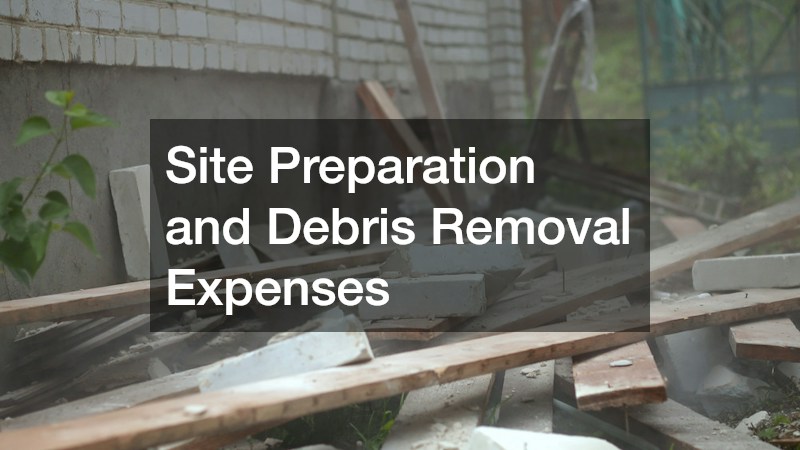
Before any real construction begins, your property often needs to be cleared of old structures, overgrown landscaping, or construction waste from a previous phase. Many homeowners forget to budget for a dumpster rental until the job site is already buried in scrap wood, drywall, and packaging material. Rental costs vary based on container size, rental duration, and how quickly the waste needs to be hauled away, and fees climb fast if you exceed weight limits or keep the unit longer than planned.
It helps to ask upfront how many loads a project is likely to generate so you are not paying for multiple deliveries. Some municipalities also require permits for placing a dumpster on a street or shared driveway, which adds another line item many owners never anticipated.
- Confirm weight limits before loading heavy materials like shingles or concrete
- Ask about swap-out fees if the container fills before the project ends
- Check local rules on dumpster placement near sidewalks or roads
- Separate recyclable materials when possible to reduce landfill fees
Tearing Down Existing Structures Safely
When a project involves removing an old deck, garage, or section of a home, owners frequently underestimate what it actually takes to take a structure apart safely. Demolition contractors do more than swing a sledgehammer; they handle utility disconnection, hazardous material checks, and proper disposal of debris according to local codes. This often means coordinating with gas, electric, and water providers days in advance to confirm lines are capped or rerouted before any tools touch the structure. Older homes, especially those built before 1980, carry a higher risk of hidden hazards like asbestos siding, lead paint, or outdated knob-and-tube wiring.
Testing for these materials can add anywhere from a few hundred to a couple thousand dollars to the budget, depending on how many samples need lab analysis. If hazardous materials are confirmed, abatement must happen before demolition begins, which adds both cost and time to the timeline. Debris removal is another line item owners tend to overlook.
Many municipalities charge disposal fees based on weight or require separation of materials like concrete, metal, and treated wood, and dumpster rental alone can run several hundred dollars depending on size and duration. Skipping a professional assessment can lead to costly surprises if asbestos, old wiring, or buried plumbing is discovered mid-project. A pre-demolition survey, while an added upfront expense, often pays for itself by flagging these issues before crews are mid-swing and change orders start piling up.
The price of demolition also depends on access to the site, since tight lots or structures close to neighboring property require more careful, slower work. Crews working in confined spaces often can’t use large excavators and must rely on smaller equipment or even hand demolition in places, which drives up labor hours significantly. Hazardous materials add another layer of expense that many owners don’t anticipate. Older buildings frequently contain asbestos, lead paint, or mold, and removing these safely requires licensed abatement specialists, specialized disposal methods, and sometimes air quality testing before work can even begin.
These requirements aren’t optional extras — they’re legally mandated in most jurisdictions and can add thousands of dollars to a project before a single wall comes down. Owners are sometimes shocked to learn that tearing something down can cost nearly as much as building something new, simply because of labor, equipment rental, and disposal fees combined. Dumpster rentals, landfill tipping fees, and trucking costs for debris removal can rival the cost of the demolition labor itself, especially for larger structures. Factoring in permits, inspections, and potential utility disconnection fees for gas, water, or electrical lines rounds out a bill that frequently surprises first-time project owners.
- Get a written scope of work that defines what is included in demolition pricing, including whether utility disconnection and permit filing are covered
- Ask whether hazardous material testing is part of the quote — asbestos, lead paint, and mold surveys often cost extra and can delay start dates by weeks
- Confirm who handles debris hauling after the structure comes down, and whether disposal fees are itemized separately or bundled into the base price
- Check if the quote includes site restoration, like grading or filling the foundation hole, since this is frequently assumed but not included
- Request a timeline, since delays can affect other scheduled trades waiting to start once the lot is cleared
- Verify insurance coverage for adjacent structures, in case demolition causes unexpected damage to neighboring property
Foundation Problems Discovered Mid Project
Few surprises derail a budget faster than foundation trouble found after walls are already opened up or excavation has begun. Cracks, settling, or water intrusion that seemed minor during an inspection can turn into a much larger job once contractors get a closer look underneath the structure. Foundation repair costs vary widely depending on whether the fix involves simple crack sealing or more invasive solutions like piering and underpinning.
Owners planning additions or major renovations should always ask for a structural evaluation before finalizing a budget, not after demolition has already started. Catching foundation issues early gives you room to negotiate pricing and avoid change orders that appear once a crew is already on site.
- Ask for soil testing if your property has a history of drainage issues
- Request photos or video of foundation walls before work begins
- Get a second opinion if a contractor recommends extensive underpinning
- Budget a contingency fund specifically for structural surprises

Septic and Drainage System Repairs
Properties with septic systems often hide one of the most expensive surprises of all underground. A drain field repair becomes necessary when soil can no longer properly filter wastewater, often due to age, overuse, or heavy equipment compacting the ground during construction. Many owners do not realize that construction vehicles driving over a drain field can cause damage that will not show up until months later.
Before bringing in heavy machinery for excavation, grading, or new construction, it is worth marking the exact location of your septic system and drain field so crews can avoid it entirely. Repairs in this area tend to be costly because they involve excavation, specialized materials, and sometimes relocating part of the system altogether.
- Have your septic system professionally located and marked before digging
- Avoid parking heavy equipment or dumpsters directly on the drain field
- Schedule a septic inspection if the system has not been checked in several years
- Factor in landscaping restoration costs after drain field repairs are complete
Roof Replacement and Structural Decking Issues
A roofing project almost always starts with a quote based on visible wear, but the real cost often reveals itself once old shingles come off. Crews frequently discover that roof metal decking underneath has rotted or warped from years of trapped moisture, especially around chimneys, vents, and valleys where water tends to pool. Once that damage is exposed, it has to be addressed before any new roofing material can go on, since installing shingles over compromised decking just invites bigger problems down the road. The cost impact of this discovery can be significant.
Replacing a few damaged sheets of plywood or OSB decking might add a few hundred dollars to the job, but widespread rot across an older roof can push costs up by several thousand dollars once labor, disposal, and material markups are factored in. Homes with a history of leaks, poor attic ventilation, or ice dam buildup tend to be the most likely candidates for this kind of surprise. This kind of discovery is common enough that experienced roofing companies will often build a decking allowance into their estimates rather than guess at a flat price. That allowance typically covers a set amount of decking replacement, with any additional damage billed separately once it’s uncovered. Homeowners should ask upfront how that allowance is calculated and what the per-sheet rate would be if more extensive repairs are needed, since clarity at the quoting stage can prevent disputes once the roof is already torn open.
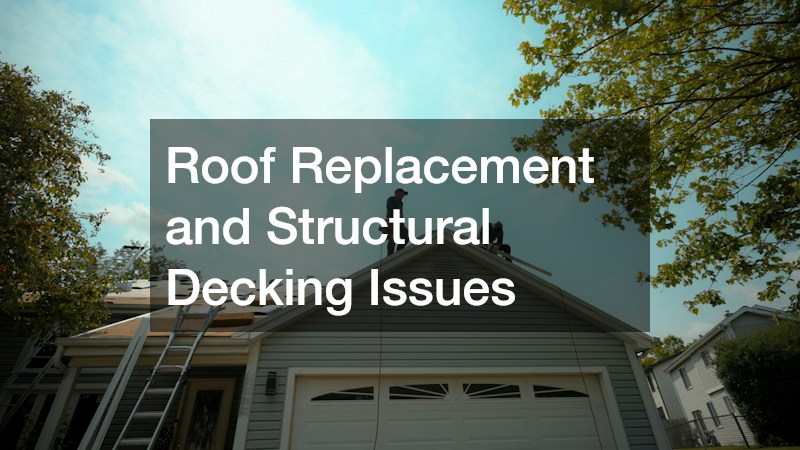
Roof replacements frequently uncover rotted or water-damaged decking that wasn’t visible until old shingles were stripped away, and this single surprise accounts for some of the largest overages in roofing projects. A typical sheet of plywood decking costs between $50 and $90 to replace, but labor, disposal, and the delay to the project schedule can push the real cost much higher once multiple sheets are involved. Homeowners should ask specifically how a contractor handles unexpected decking damage, since vague contracts can lead to disputes once the real cost appears.
A well-written contract should spell out a per-sheet price for replacement decking, who makes the call on what qualifies as damaged, and whether photos or a walkthrough will be provided before the work proceeds. It is also worth asking how roofing companies verify the extent of decking damage, since some will only replace sections that fail a hands-on inspection while others replace entire sheets as a precaution, which can significantly change the final bill. A few will even press on the decking with a boot or probe it with a screwdriver to check for soft spots, while others rely on visual cues alone, so the inspection method itself can affect how much gets billed.
Homeowners should also ask whether the quoted price already assumes a certain amount of decking replacement, since some contractors build in an allowance for a few sheets while others treat every replaced panel as a change order. Clarifying this upfront, along with requesting a not-to-exceed clause for decking repairs, can prevent a routine roof job from turning into a budget crisis.
- Ask for a per-sheet price on decking replacement before signing a contract — typically $65-$150 per sheet depending on wood type and local labor rates
- Request photos of any decking damage found during tear-off so you can verify the extent before approving extra charges
- Clarify whether the estimate includes disposal of old roofing material, since dumpster rental and landfill fees can add several hundred dollars
- Confirm how long the decking replacement will extend the project timeline, especially if rain is forecast and tarping becomes necessary
- Get a cap or not-to-exceed clause on decking overages so costs can’t balloon without your sign-off
- Ask whether the crew will match existing decking thickness, as mismatched plywood can affect roof warranty coverage
Mechanical System Upgrades During Renovation
Major renovations often expose the age and condition of mechanical systems that have been quietly running in the background for years. A furnace repair may suddenly become urgent once ductwork is disturbed, walls are opened, or the system is forced to work harder due to changes in insulation or airflow. A roof repair can trigger similar surprises, since opening up the attic or reworking ventilation often reveals wear that had gone unnoticed for years. Owners doing additions or whole home remodels should have HVAC equipment inspected early, since replacing a furnace mid project is far more disruptive than planning for it in advance.
Permitting rules also come into play here, since many jurisdictions require mechanical systems to meet current code once a home undergoes significant structural changes. This can mean an older furnace that was previously fine now needs upgrades simply because of the scope of the surrounding project.
- Have HVAC equipment inspected before starting any major renovation
- Ask whether your project will trigger code-required mechanical upgrades
- Budget separately for ductwork modifications tied to room changes
- Request efficiency ratings if replacement becomes necessary

Outdoor Living Space Restoration Costs
Decks and patios take a beating from weather, and owners often assume a quick coat of stain will solve problems that are actually structural. Deck restoration can range from simple cleaning and resealing to replacing rotted joists, loose railings, or corroded fasteners that compromise safety. The scope only becomes clear once a contractor removes old boards and inspects the framing underneath, which is why initial quotes for this kind of work can shift significantly.
Weather exposure, wood type, and how the structure was originally built all affect how extensive restoration needs to be. Owners planning to sell their home soon should treat deck condition as seriously as interior finishes, since safety issues can stall a sale or lower an appraisal.
- Check for soft spots or discoloration on deck boards before hiring anyone
- Ask whether railings and support posts are included in a restoration quote
- Request a moisture reading on wood framing if rot is suspected
- Compare cost of full replacement versus partial restoration
New Construction Budget Gaps Owners Overlook
Building from scratch introduces its own set of hidden costs that differ from renovation surprises. Custom homes in particular are prone to budget creep because every decision, from window placement to cabinet hardware, is a choice rather than a default. Owners often underestimate costs tied to site work, utility hookups, and landscaping, which are sometimes quoted separately from the main construction contract.
Change orders are another major source of overspending, since even small design tweaks requested mid build can ripple through plumbing, electrical, and framing schedules. Working with a detailed line item budget from the start, rather than a single lump sum estimate, gives owners a much clearer picture of where money is actually going.
- Request a detailed allowance list for finishes like flooring and countertops
- Ask how change orders are priced and documented
- Confirm whether site work and utility connections are included in the base price
- Set aside a contingency fund of at least 10 percent for unexpected costs
Hidden costs are rarely the result of bad luck; they usually come from gaps in planning, inspection, or communication with contractors. By asking detailed questions upfront, requesting written scopes of work, and building a realistic contingency fund, owners can face major property projects with far fewer surprises. Take time now to review your project plan against the areas covered here, and reach out to qualified professionals for inspections before committing to a final budget. A little homework before the first shovel hits the ground can save thousands once the work is underway.