

When you’re deciding whether to trust a company with your vehicle, the fleet they drive past you every day tells a story most people never stop to read. A business that lets its trucks rust, its paint fade, and its dents pile up is quietly telling you how it handles obligations when no one is watching closely. On the other hand, a company that keeps its vehicles clean, repaired, and well-documented is often the same one that keeps its paperwork, pricing, and promises in order. This article breaks down exactly what to look for in a company’s vehicle upkeep habits so you can make a smarter decision before you sign a contract or hand over your keys.
Reading a Fleet’s Appearance as a Business Signal
The exterior condition of a company’s vehicles is one of the fastest ways to judge how seriously that business takes maintenance in general. Chipped paint, missing hubcaps, and long-neglected dents suggest a culture where small problems are ignored until they become big ones. This pattern rarely stays isolated to vehicles alone; it often extends to how a company handles scheduling, communication, and customer complaints too.
Companies that invest in appearance tend to invest in function as well, because both reflect the same underlying attitude toward asset care. A fleet that looks consistently maintained signals a business that budgets proactively rather than reactively. That difference matters more than it seems, since reactive businesses typically pass hidden costs and delays on to their customers.
- Look for consistent paint condition across the entire fleet, not just a few showcase vehicles
- Check whether logos and decals are peeling, which can indicate deferred maintenance budgets
- Notice if tires appear mismatched or worn unevenly, a sign of inconsistent service schedules
- Pay attention to interior cleanliness during any ride-along or service visit
Tracking Repair History and Documentation Habits
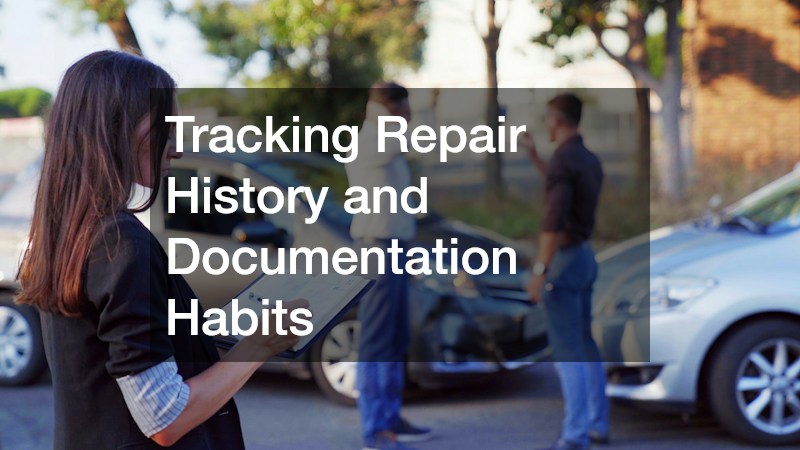
A company that keeps detailed records of every repair, inspection, and part replacement is demonstrating the kind of discipline that extends to every other part of its operation. Ask any reputable business about their maintenance logs and you should get a clear, organized answer rather than a vague shrug. This documentation isn’t just bureaucratic box-checking; it protects the company from liability and protects you from inheriting someone else’s deferred problems.
Good record-keeping also makes it easier to spot patterns, like a vehicle that keeps needing the same part replaced, which can indicate a deeper mechanical issue being patched over instead of properly fixed. Companies that take this seriously often work with the same trusted shops repeatedly, building a relationship that improves accountability on both sides. When auto collision damage occurs, a company with strong documentation habits will have a clear paper trail showing exactly how and when it was addressed.
- Ask whether maintenance records are digital or paper based, since digital systems are harder to falsify
- Request a basic repair timeline for any vehicle you’re considering purchasing or using
- Watch for gaps in service history that might suggest periods of financial strain
- Confirm whether inspections are done on a fixed schedule or only when something breaks
Evaluating How Collision Damage Gets Handled
Accidents happen to every fleet eventually, so the real test isn’t whether a company has had an incident but how it responded afterward. A business that routes damaged vehicles straight to a qualified collision repair shop, rather than patching things together temporarily, is prioritizing long-term safety over short-term savings. This single decision often separates companies that view vehicles as long-term investments from those that see them as disposable tools.
The quality of collision repair work also affects resale value, structural integrity, and how the vehicle performs in future incidents. Companies that cut corners here are usually cutting corners elsewhere in the business too, since proper repair work requires both money and patience that shortcut-oriented operations tend to avoid. Asking pointed questions about past incidents can reveal a lot about a company’s actual priorities versus its marketing claims.
- Ask if repairs were performed by certified technicians using manufacturer-approved parts
- Find out whether frame damage was professionally assessed, not just cosmetic dents
- Check if the company discloses prior accident history upfront or only when asked directly
- Look for warranty documentation tied to any major repair work completed
Understanding the Value of Protective Coatings and Finishes
Protective treatments might seem like a cosmetic extra, but they actually reveal how far ahead a company is thinking about asset longevity. A business that applies car ceramic coating to its fleet vehicles is making a calculated bet that preventing damage costs less than repairing it later. This kind of forward planning tends to show up in other operational decisions as well, from insurance choices to vendor relationships.
Beyond appearance, these coatings genuinely reduce the frequency and severity of paint damage from road debris, sun exposure, and minor scrapes. Fleets that skip this step often show accelerated wear within just a couple of years, which eventually costs more in full repaints or part replacements. For consumers evaluating a company, noticing this kind of preventative investment is a quiet but telling detail.
- Ask if protective treatments are applied at purchase or only after damage appears
- Compare the shine and finish consistency across multiple vehicles in the same fleet
- Consider how sun and weather exposure in your region affects long-term paint durability
- Factor in that preventative treatments usually cost less than repeated cosmetic repairs over time
Spotting the Financial Signals Behind Maintenance Choices
How a company spends money on vehicle upkeep often mirrors how it spends money everywhere else. Businesses operating on thin margins sometimes defer necessary maintenance to preserve short-term cash flow, a decision that eventually catches up with them through breakdowns or safety issues. Recognizing these financial signals early can save you from partnering with or purchasing from a company that’s cutting corners you can’t immediately see.
Pricing patterns can also hint at what’s happening behind the scenes. A company that offers unusually low prices compared to competitors might be compensating by skimping on maintenance, insurance, or proper staffing. On the other hand, consistent and transparent pricing often correlates with a business that budgets realistically for the full cost of ownership, including the inevitable wear and tear every vehicle experiences.
- Compare pricing against at least two or three competitors before assuming a deal is fair
- Ask directly how maintenance costs factor into quoted prices or service fees
- Watch for sudden fee increases that might indicate previously deferred expenses catching up
- Research online reviews mentioning breakdowns, delays, or unexpected repair charges
The condition of a company’s vehicles is rarely just about the vehicles themselves; it’s a window into how that business treats every asset and, by extension, every customer. Before you commit to a purchase, contract, or service agreement, take a few extra minutes to look past the sales pitch and examine the fleet with a critical eye. Ask about documentation, repair history, and preventative care, since the answers will tell you more than any brochure ever could. A little diligence now can save you from costly surprises later and point you toward a company that genuinely values what it owns.