
A broken arm, a child with a sudden fever, or a loved one struggling with addiction rarely happens on a convenient schedule, and figuring out where to turn can feel overwhelming when every minute matters. Hospitals handle the most severe cases, but a surprising amount of everyday health care actually happens in the spaces around that system, inside neighborhood clinics, local pharmacies, and community support programs. Understanding what these resources do, and when to use them, can save you time, money, and unnecessary stress. This guide breaks down the pieces of community based care that quietly keep people healthy between crises and hospital visits.
Recognizing When a Hospital Visit Is Actually Necessary
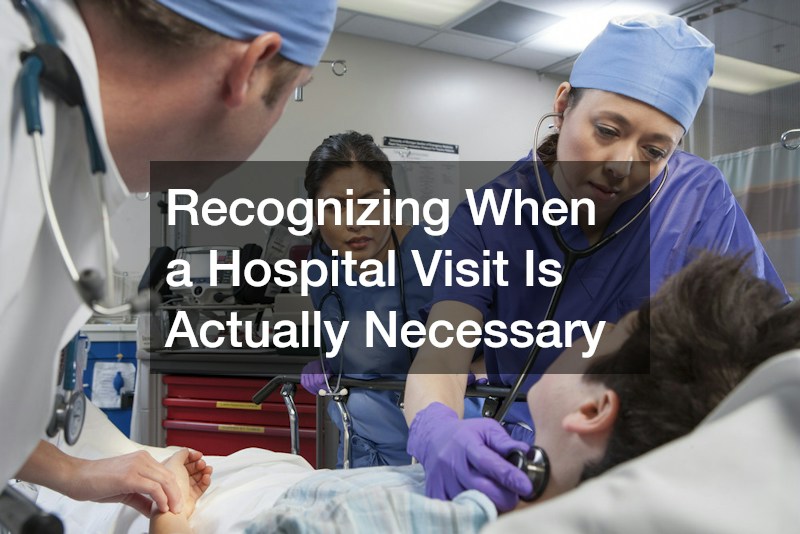
One of the biggest sources of confusion for families is knowing when a situation truly requires hospital level care versus something a local clinic can handle. Chest pain, severe bleeding, difficulty breathing, sudden confusion, slurred speech, facial drooping, and a high fever in an infant are all signs that warrant an immediate trip to the ER rather than waiting for a same day appointment elsewhere. Stroke symptoms in particular are time sensitive, since treatment within the first few hours can significantly change the outcome. Going to the emergency room for these situations is not overreacting, it is the appropriate response, since hospitals are equipped with the imaging, specialists, and monitoring equipment that smaller clinics simply do not have.
A suspected broken bone with visible deformity, a deep wound that will not stop bleeding, or signs of a severe allergic reaction like swelling in the throat all fall into this same category. Waiting to see if symptoms improve on their own can be dangerous when the underlying cause is something like a heart attack or internal bleeding that only worsens with delay. At the same time, plenty of common complaints do not need a hospital visit at all. A minor sprain, a low grade fever, a small cut that can be cleaned and bandaged, or cold symptoms lasting a few days are typically better suited to an urgent care clinic, a telehealth call, or a visit to a primary care provider. These options are usually faster, less expensive, and less crowded than an emergency room.
The challenge is that many people either overuse or underuse emergency services, which creates longer wait times for the patients who need urgent attention most. Someone with a sprained ankle sitting in an ER waiting room means a person with chest pain may wait longer to be seen, while someone who delays care for genuine stroke symptoms out of a desire to avoid hospital bills risks permanent damage. Learning to tell the difference, and having a trusted local provider to call when unsure, is one of the simplest ways neighborhoods can ease pressure on the broader emergency care system.
Learning to triage symptoms at home, even loosely, helps people make faster and more confident decisions during a scary moment. Chest pain that radiates to the arm, sudden confusion, difficulty breathing, or a fever above 103°F in an adult are signals that warrant immediate emergency care. A sprained ankle, a mild fever that responds to medication, or a cut that’s stopped bleeding usually aren’t. Calling a nurse hotline or using a hospital’s online symptom checker before heading out the door can clarify whether a situation is truly an emergency or something that can wait a few hours for a regular appointment. Many insurance plans now offer 24/7 nurse lines at no extra cost, and these calls typically take just five or ten minutes but can save hours spent in a waiting room. Neighbors who’ve used these services before can also share what to expect, easing the anxiety of calling in the first place. It also helps to know the difference between an emergency room, an urgent care clinic, and a telehealth visit. Urgent care can handle things like minor fractures, stitches, or infections at a fraction of the cost and wait time of an ER. Keeping a short list of nearby options, along with their hours, taped to the fridge or saved in a phone, removes the guesswork when a decision needs to be made quickly.
- Severe chest pain, pressure, tightness, or shortness of breath, especially if it spreads to the arm, jaw, or back
- Uncontrolled bleeding that won’t stop after 10 minutes of direct pressure, or suspected broken bones with visible deformity or exposed bone
- Sudden slurred speech, confusion, facial drooping, or one-sided weakness — classic stroke warning signs where every minute counts
- Loss of consciousness, seizures, or a head injury followed by vomiting or extreme drowsiness
- Allergic reactions affecting breathing or causing swelling of the face, lips, or throat, particularly after a known allergen exposure
- High fever (above 103°F) that doesn’t respond to medication, especially in infants, older adults, or those with weakened immune systems
- Signs of severe dehydration, such as inability to keep fluids down, dizziness upon standing, or minimal urination
- Sudden severe abdominal pain, which can signal appendicitis, a bowel obstruction, or other urgent internal issues
What Happens Once You Arrive at the Emergency Department
Understanding the typical flow of a hospital visit can ease a lot of anxiety for first time patients and worried family members. After check in, a triage nurse quickly assesses severity, which is why someone who arrives after you might be seen first if their condition is more urgent. From there, the type of ED treatment you receive depends entirely on your diagnosis, ranging from stitches and splints to more involved procedures like cardiac monitoring or IV medication.
Patients are often surprised by how much coordination happens behind the scenes during a single visit. Lab work, imaging, and specialist consultations all need to be scheduled and reviewed before a doctor can determine next steps, which is part of why emergency visits can take several hours even for relatively minor issues. Knowing this ahead of time helps set realistic expectations so families are not blindsided by the wait.
Why Local Clinics Matter for Non Emergency Pediatric Needs
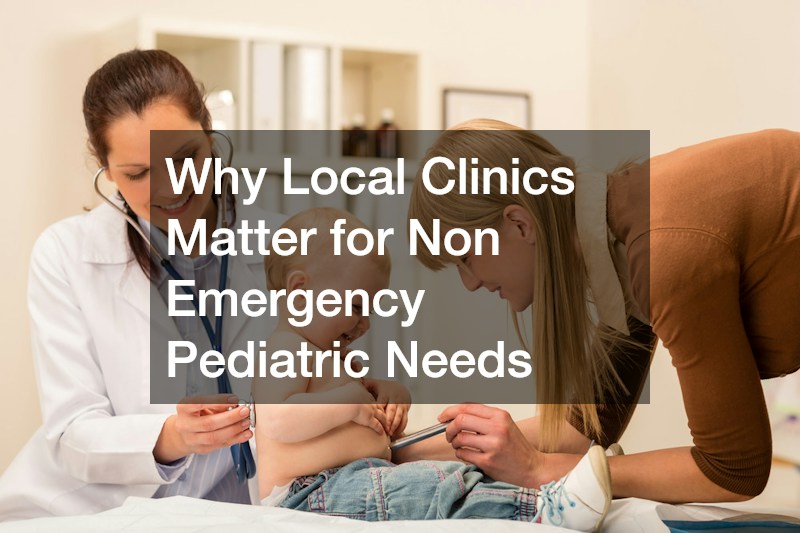
Parents often feel torn when a child spikes a fever at ten at night or develops an ear infection on a weekend, unsure whether the situation justifies a hospital trip. In many of these cases, a visit to pediatric urgent care is a far more practical option than sitting in a crowded emergency room for hours. These clinics are staffed by providers experienced in treating children specifically, and they are typically equipped to handle common childhood illnesses, minor injuries, and infections without the long wait times associated with hospitals.
Choosing the right care setting for a child also tends to be less stressful for the child themselves, since urgent care clinics are usually smaller, quieter, and less intimidating than a busy emergency department. Many of these clinics offer extended evening and weekend hours specifically because childhood illnesses rarely stick to a nine to five schedule.
- Ear infections, mild fevers, and minor respiratory symptoms
- Small cuts requiring stitches or glue
- Sprains and suspected minor fractures
- Vomiting or diarrhea without signs of severe dehydration
- Rashes, insect bites, and minor allergic reactions
How Community Pharmacies Expand Access to Preventive Care
Pharmacies have quietly become one of the most important access points in neighborhood health care, offering services that used to require a separate doctor’s visit. Many now provide flu shots, basic health screenings, and medication management consultations right at the counter. For people managing chronic conditions, pharmacists are often the most accessible health professional they see on a regular basis, since no appointment is typically needed.
Some pharmacies have also expanded into more specialized services, including injectable training for patients who need to learn how to safely administer medications like insulin or blood thinners at home. This kind of hands on instruction reduces the number of errors that lead to hospital readmissions and gives patients more confidence in managing their own care. It is a small service that has an outsized impact on keeping people healthy and out of the emergency room.
Where Addiction Recovery Fits Into the Local Care Network
Substance use issues rarely resolve with a single moment of crisis, which is why community based recovery programs play such a critical role in long term healing. When someone experiences an overdose or alcohol related emergency, the real work of recovery typically begins afterward through structured treatment programs. Local alcohol rehab facilities offer the kind of sustained, personalized support that a brief intervention simply cannot provide on its own.
These programs vary widely in structure, from outpatient counseling a few times a week to more intensive residential stays, and the right fit depends on the severity of the situation and the person’s support system at home. Family involvement often improves outcomes significantly, since addiction rarely affects just one person in a household.
- Outpatient counseling for mild to moderate substance use concerns
- Intensive outpatient programs offering more structured weekly support
- Residential or inpatient alcohol rehab for severe dependency
- Medication assisted treatment combined with therapy
- Peer support groups for ongoing accountability after formal treatment ends
Building a Personal Care Plan Before You Need One
Most people only think about where to go for care in the middle of a crisis, which is exactly the wrong time to be researching options. Taking an hour to map out nearby clinics, pharmacies, and specialty services before you need them can make a real difference when a situation actually arises. This is especially important for families with young children, elderly parents, or anyone managing an ongoing health condition.
A simple folder, whether physical or digital, containing insurance information, a list of current medications, and preferred providers can shave significant time off any future visit. Sharing this information with a trusted family member also ensures someone else can advocate for you if you are ever unable to speak for yourself.
- Save the nearest urgent care and hospital addresses in your phone
- Keep an updated medication list accessible at all times
- Know your insurance plan’s rules around emergency versus urgent visits
- Identify a backup caregiver who knows your medical history
- Store emergency contacts somewhere other than just your phone
Health care does not begin and end at the hospital doors, it lives in the everyday network of clinics, pharmacies, and recovery programs that support people long before and long after a crisis. Taking time now to understand these resources means less panic and better decisions when something unexpected happens. Start by identifying the urgent care, pharmacy, and specialty services closest to you, so the next time you need them, you already know exactly where to go.