
A cosmetic procedure is supposed to leave you looking and feeling better, not dealing with pain, disfigurement, or a drained bank account. Unfortunately, botched results happen more often than people expect, and many patients don’t know what their options are when a provider’s mistake causes real harm. Understanding the warning signs, the difference between a bad outcome and negligence, and the steps to take afterward can help you protect your health and your legal rights. This guide walks through what to look for and how to move forward if a procedure goes wrong.
Recognizing the Difference Between a Bad Outcome and Malpractice
Not every disappointing result from a cosmetic procedure means malpractice occurred. Medicine and aesthetics both involve some unpredictability, and even a skilled, careful provider can produce a result that doesn’t match a patient’s expectations. Malpractice generally requires proof that the provider deviated from the accepted standard of care and that this deviation directly caused harm. Recognizing this distinction early can save you time and help you decide whether legal action is realistic.
Patients often struggle to separate genuine negligence from an unfortunate but non-negligent complication. A second opinion from another qualified professional is usually the fastest way to get clarity on which category your situation falls into.
- Asymmetry or unevenness that falls within normal healing variation is not automatically negligence.
- Infections, scarring, or nerve damage caused by improper technique may indicate a standard of care violation.
- Lack of informed consent about risks can itself be grounds for a claim, even if the technique was performed correctly.
- Providers operating outside their scope of training raise a red flag worth investigating.
Warning Signs That Point to Provider Negligence
Certain patterns show up again and again in cosmetic malpractice cases, and learning to spot them can help you act quickly. Delayed treatment of an obvious complication, dismissive responses to your concerns, and a provider who avoids follow-up appointments are all signs worth taking seriously. The timeline of your symptoms and communications matters, so keeping detailed notes from the very beginning is essential.
- Severe or worsening pain that isn’t addressed promptly by the provider.
- Visible tissue death, unusual discoloration, or persistent numbness.
- A provider who refuses to explain what went wrong or provide your full medical records.
- Multiple corrective procedures needed to fix an initial botched result.
Documenting the Damage After a Procedure Goes Wrong
If you suspect something has gone seriously wrong, documentation becomes one of your most valuable tools. Photographs taken regularly throughout the healing process create a visual timeline that can support both medical treatment decisions and any future legal claim. Written records of every appointment, phone call, and symptom change add credibility and help your legal team or a new treating provider understand exactly what happened.
It’s also worth requesting copies of your complete medical file, including consent forms, procedure notes, and any before-and-after photos taken by the original provider. These records often reveal whether proper protocols were followed and whether you were adequately informed of the risks involved.
- Take dated photos in consistent lighting from multiple angles.
- Save all text messages, emails, and billing records related to the procedure.
- Write down symptoms and pain levels daily while they’re fresh in memory.
- Request your full chart, not just a summary, from the original provider.
When Dental and Facial Work Requires a Specialist’s Correction
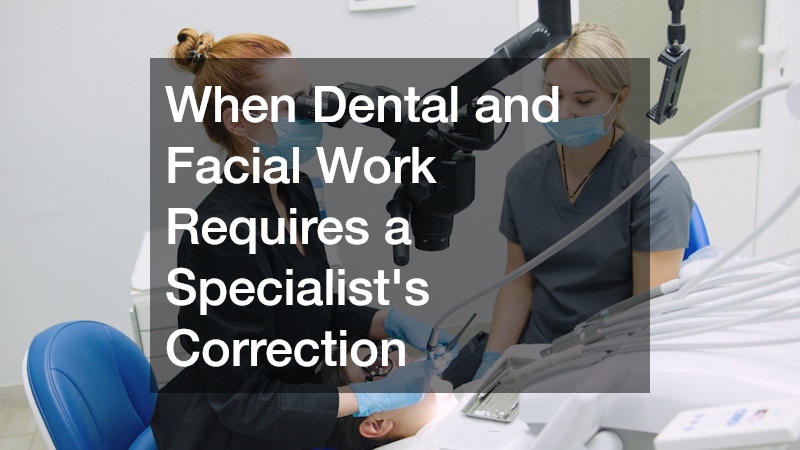
Cosmetic dental and facial procedures carry their own unique risks, and complications aren’t always obvious right away. Jaw misalignment, nerve damage, or infections following extractions and implant placement sometimes require the involvement of an oral surgeon to properly assess and repair the damage. Getting this kind of specialized evaluation matters both for your health and for building a credible record if you later pursue a claim, since a specialist’s findings carry significant weight.
Correcting a botched dental cosmetic procedure can be a long process, and patients should be cautious about returning to the original provider for fixes if negligence is suspected. An independent evaluation gives you an unbiased picture of what actually went wrong and what it will take to repair it, which is often necessary before any legal claim can move forward.
- Persistent swelling, numbness, or bite misalignment after dental work warrants prompt evaluation.
- Bone or nerve damage from implant placement can require surgical correction.
- An independent specialist opinion strengthens documentation for any potential claim.
Understanding Complications From Popular Non-Surgical Fixes
Not every cosmetic legal case involves invasive surgery. Treatments marketed as simple or low-risk, like clear aligner systems such as Invisalign, can still cause real harm when a provider misjudges a case or fails to monitor progress properly. Improper tooth movement, unaddressed pain, or worsening bite problems from these treatments can sometimes require costly corrective work.
Patients sometimes assume that because a treatment is non-surgical, there’s little room for something to go wrong. In reality, improper planning or inadequate supervision can lead to lasting damage that takes months or years to correct. If you experience ongoing pain or visible shifting that your provider brushes off, seeking a second opinion promptly is the safest course of action.
- Unexpected gum recession or loosening of teeth during treatment.
- Bite changes that worsen rather than improve over the course of treatment.
- A provider who fails to take corrective X-rays or scans at appropriate intervals.
Weighing Corrective Options Before Pursuing Legal Action
Before filing any claim, most patients want to know whether the damage can actually be fixed. In cases involving cosmetic dentistry, providers sometimes recommend restorative options such as veneers to mask chipping, discoloration, or uneven spacing left behind by a failed procedure. While this can improve appearance, it doesn’t erase the underlying legal issue if negligence caused the original harm, and patients should keep records of these corrective costs as part of their damages.
It’s wise to get a repair estimate from an independent provider before agreeing to any settlement offered by the original practitioner or their insurer. This ensures you’re not left covering future costs out of pocket after accepting a resolution that seemed sufficient at the time.
- Get multiple corrective treatment estimates from unaffiliated providers.
- Keep all receipts and treatment plans related to fixing the original damage.
- Ask whether corrective work will be fully effective or only cosmetic camouflage.
- Factor future maintenance costs into any settlement discussion.
A botched cosmetic procedure can leave lasting physical, emotional, and financial effects, but understanding your options puts you back in control. Start by getting an independent medical evaluation, documenting everything thoroughly, and researching corrective treatment paths before making any decisions about legal action. Taking these deliberate steps now will protect both your health and your ability to seek fair compensation later.