In the competitive landscape of modern commerce, the most successful enterprises are those that view their operations not as a collection of siloed departments, but as a single, living ecosystem. A business is only as strong as its weakest link, whether that link is an outdated outreach strategy or a literal weak link in a physical security gate. To build a brand that lasts, leaders must balance the invisible world of online presence with the very tangible realities of facility maintenance. It is no longer enough to excel in one area while neglecting others; the modern consumer expects a seamless experience that begins on a smartphone screen and continues into a pristine, safe, and professional physical environment.
Efficiency and security are the two pillars upon which long-term growth is built. When a company streamlines its internal processes and protects its physical and digital assets, it creates a stable platform for scaling. This guide explores how to weave together diverse operational needs—from environmental comfort to digital visibility—into a cohesive strategy for success. By understanding the intersection of these services, business owners can transition from reactive management to proactive leadership, ensuring that every dollar spent on overhead is actually an investment in the company’s future viability and reputation.
The Digital Frontier and Brand Visibility
The first impression a client has of a company often happens before they even step through the door. In today’s economy, that initial touchpoint is almost always online. This is why a robust
digital marketing strategy is no longer a luxury but a fundamental necessity for any organization looking to capture market share. By utilizing search engine optimization, social media engagement, and targeted advertising, businesses can ensure they are meeting their customers exactly where they spend their time. This digital footprint serves as the virtual storefront, setting expectations for the quality and reliability the customer can expect once they interact with the physical side of the operation.
Beyond simple visibility, modern outreach requires a deep understanding of data analytics and consumer behavior. It is not just about being seen; it is about being seen by the right people at the right time. Effective campaigns integrate content creation with technical back-end improvements to ensure that a company’s message resonates with its target demographic. This level of intentionality creates a pipeline of qualified leads, providing the revenue growth necessary to support the other critical areas of the business. Without a steady stream of new interest generated by these online efforts, even the most well-maintained physical facility will struggle to reach its full potential.
Maintaining a Professional Physical Atmosphere
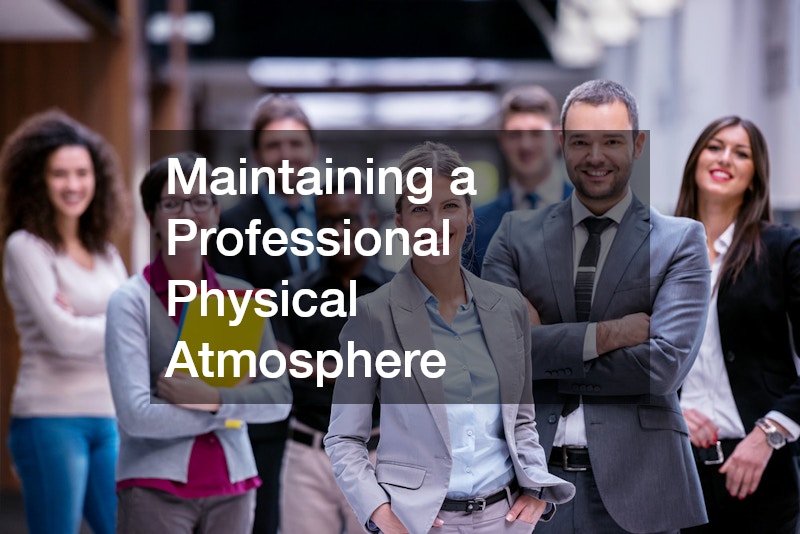
However, once a digital lead is converted into a physical visitor, the brand must live up to its online image. A professional environment is essential for maintaining credibility. This starts with the physical atmosphere of the office or retail space. Investing in a reliable
business cleaning service ensures that the workspace is not only hygienic but also welcoming. A spotless environment signals to both employees and clients that the company values quality and attention to detail. This reinforces the brand promise established during the initial marketing phase and builds a level of trust that is difficult to achieve through advertising alone.
Furthermore, a clean workplace has a direct impact on employee performance and retention. Staff members who work in a sanitized and organized environment are generally more focused and feel more valued by their employers. This leads to a reduction in sick days and an increase in overall morale. When the floors are polished, the windows are clear, and the common areas are tidy, it sets a standard for excellence that trickles down into every task the employees perform. Cleanliness is not just about aesthetics; it is a vital component of a high-performing corporate culture that respects the health and well-being of everyone on the premises.
Structural Integrity and Longevity
While a clean office is vital, the structural components of the building itself act as the ultimate safeguard for the assets contained within. Property managers should never overlook the state of their roof, as it is the most critical barrier against the elements. Scheduling regular inspections for
commercial roofing can prevent catastrophic leaks that might damage expensive equipment, inventory, or internal documents. A proactive approach to roof maintenance can extend the life of the structure by decades, saving the business from the massive capital expenditures required for a full replacement.
A well-maintained roof also plays a significant role in the overall energy efficiency of a building. Modern materials and reflective coatings can significantly reduce heat absorption, lowering the strain on internal cooling systems. By viewing the roof as a strategic asset rather than just a lid on a box, business owners can protect their investment from water damage while simultaneously lowering their monthly operational costs. This kind of forward-thinking maintenance is what separates stable, long-term companies from those that are constantly surprised by emergency repair bills and unexpected downtime.
Optimizing the Internal Environment
The “invisible” systems of a building are just as important for maintaining a productive atmosphere. Employee morale and productivity are closely tied to their physical comfort, particularly regarding temperature and air quality. This is why staying on top of
commercial HVAC repair and maintenance is a strategic move rather than just a maintenance chore. A malfunctioning climate control system can lead to irritability, exhaustion, and even respiratory issues among the workforce, all of which represent a direct threat to the bottom line. When the air is filtered and the temperature is consistent, the team can focus entirely on their work.
Moreover, a modern HVAC system is a complex piece of machinery that requires specialized knowledge to operate at peak efficiency. Regular tuning prevents the system from overworking, which in turn reduces energy consumption. In an era where sustainability is both a financial and social priority, having a high-efficiency climate control system is a major advantage. It ensures that the business remains a comfortable place to work and visit, regardless of the weather outside. By prioritizing these mechanical systems, owners protect their equipment from premature wear and tear, ensuring that the facility remains operational year-round without interruption.
Sophisticated Security for Total Protection
Security is a multifaceted challenge that requires both high-tech and low-tech solutions. Protecting data is a priority, but protecting the physical inventory and the safety of the staff is equally paramount. Implementing a state-of-the-art
commercial security system provides 24/7 monitoring and peace of mind. Modern systems offer remote access, allowing owners to keep an eye on their property from anywhere in the world. These systems can integrate motion sensors, high-definition cameras, and alarm systems into a single interface, providing a comprehensive view of the facility’s security status at any given moment.
Effective security also acts as a deterrent to potential internal and external threats. When a building is clearly equipped with advanced monitoring technology, the likelihood of theft or vandalism drops significantly. This protection extends beyond just the physical goods; it also protects the company’s liability and reputation. In the event of an incident, having clear video evidence and a logged history of entries can be invaluable for insurance claims and legal proceedings. Investing in robust security is essentially buying an insurance policy for the company’s physical presence, ensuring that the fruits of the organization’s labor are kept safe from those who would do it harm.
Access Control and Physical Barriers
Physical access control remains a cornerstone of a secure facility. Even with advanced cameras and motion sensors, the integrity of doors and entry points is vital. Engaging a professional
commercial locksmith to install high-security locks or electronic keycard systems ensures that only authorized personnel can enter sensitive areas. This layer of protection prevents internal shrinkage and external trespassing, creating a safe environment where innovation can flourish. A locksmith can also help implement master key systems that simplify access for management while maintaining strict boundaries for different departments within the organization.
The technology behind locks has evolved rapidly, moving from simple brass keys to biometric scanners and encrypted mobile credentials. These modern solutions allow business owners to track who enters which room and at what time, providing an audit trail that is essential for high-security industries. If an employee leaves the company, digital access can be revoked instantly, removing the need to re-key an entire building. This level of control is a fundamental part of modern risk management, ensuring that the physical perimeter of the business is just as secure as its digital firewall.
Compliance and Administrative Efficiency
Growth often leads to increased complexity, especially when it comes to legalities and resource management. As a company expands, the sheer volume of paperwork can become overwhelming, taking up valuable time that should be spent on innovation. Utilizing a professional
legal document service can streamline the process of filing permits, managing contracts, and ensuring that all corporate filings are up to date. This allows the leadership team to focus on high-level strategy rather than getting bogged down in the minutiae of administrative compliance. Proper documentation is the bedrock of a stable business, protecting the entity from litigation and regulatory fines.
Furthermore, having a standardized process for handling legal paperwork ensures that the company is always prepared for audits or potential acquisitions. It creates a transparent history of the business’s operations and agreements, which builds confidence among investors and partners. By outsourcing these repetitive but critical tasks to experts, a company can operate with the agility of a small startup while maintaining the rigorous compliance standards of a major corporation. This efficiency in the back office translates directly to better performance in the marketplace, as resources are used more effectively across the board.
Strategic Resource Management
In addition to legal efficiency, resource efficiency is a major driver of profitability. Energy costs are often one of the largest overhead expenses for a growing company, and they can be notoriously difficult to predict. Consulting with a
business energy consultant can reveal hidden opportunities for savings that are not immediately obvious to a general manager. These experts analyze usage patterns, identify peak demand periods, and negotiate better rates with utility providers. They can also suggest green energy transitions, such as solar integration or LED lighting upgrades, that not only lower monthly bills but also improve the company’s sustainability profile.
A consultant provides the specialized data necessary to make informed decisions about long-term energy contracts. In a volatile energy market, having a strategy for locking in rates can save a business thousands of dollars over the course of a year. Additionally, many regions offer tax incentives or rebates for businesses that implement energy-saving measures. A consultant helps the company navigate these opportunities, ensuring that they are taking full advantage of every available financial benefit. This proactive management of utility costs frees up capital that can be redirected toward marketing, product development, or employee benefits, fueling further growth.
Enhancing the Customer and Employee Experience
The final pieces of the operational puzzle involve the day-to-day experience of being inside the business. Navigation and branding within a physical space are often overlooked. High-quality Business Signs serve two purposes: they assist with wayfinding, making the customer journey smoother, and they reinforce brand identity through visual cues. Well-designed signage can turn a plain building into a landmark, helping to attract foot traffic and build local recognition.
Furthermore, the “back of house” details can significantly impact how people perceive a brand. Maintaining a high standard in restrooms is a subtle but powerful way to show respect for everyone who enters the building. Partnering with a reliable commercial restroom supply provider ensures that essential items are always in stock and that the facilities remain functional and pleasant. It is often these small, consistent details that separate a truly professional operation from a mediocre one.
The Integrated Strategy for Growth
When a business owner looks at these various components—marketing, cleaning, HVAC, security, and consulting—they should see them as interconnected parts of a whole. A secure building protected by a locksmith and a security system provides the safety necessary to house the technology used for digital outreach. A clean, well-maintained office with functional signage creates the physical reality that matches a polished online brand. These elements do not exist in isolation; they support each other to create a resilient and profitable organization.