
Almost every household has one: a specific drawer, a velvet-lined box, or a hidden safe containing inherited pieces, broken chains, single earrings missing their mates, or outdated styles that have sat entirely unworn for decades. These pieces often carry a heavy emotional weight. Perhaps they belonged to a beloved grandmother, or maybe they represent a past relationship or an aesthetic you have simply outgrown. Whatever the reason, allowing these precious metals and gemstones to gather dust serves no practical purpose, yet the prospect of doing anything with them often feels profoundly overwhelming.
The primary hurdle most people face is a lack of specialized information combined with a very natural fear of being taken advantage of. The precious metals and gemstone market is notoriously opaque to the average consumer. Without specialized knowledge, it is incredibly difficult to know if a heavy gold chain is worth twenty dollars or two thousand dollars. This informational asymmetry can lead to paralysis. You might hold onto a piece you actively dislike simply because you do not know how to safely navigate the process of parting with it.
This comprehensive guide is designed to dismantle that barrier, providing you with a clear, actionable, and entirely transparent roadmap. We will break down this journey into distinct, manageable phases. First, we will cover how to objectively assess what you actually have. Next, we will explore the strategic decisions surrounding restoration and fixing damaged pieces. Finally, we will detail exactly how to navigate the market to ensure you receive a fair, premium price. By the end of this journey, you will possess the tools and confidence needed to transform that hidden drawer of unworn items into tangible capital.
Decoding Your Collection’s True Worth
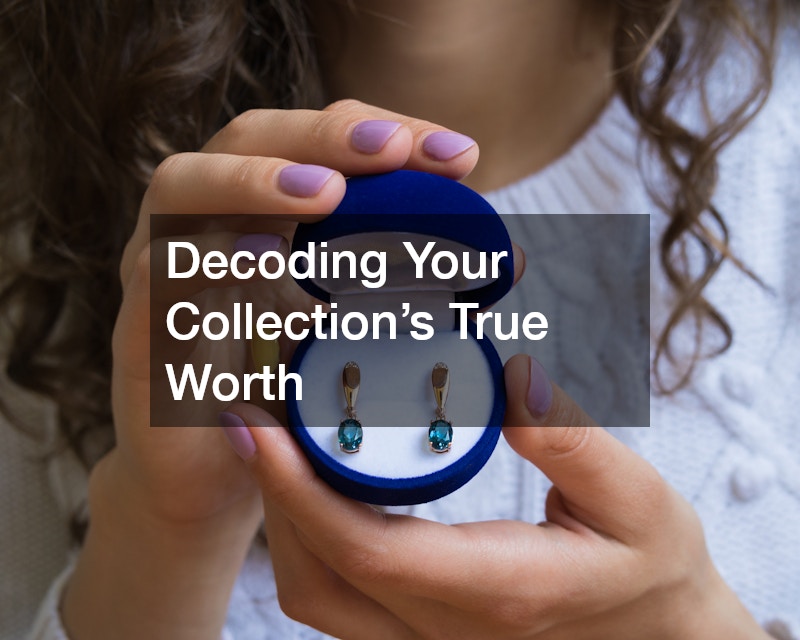
Before you can make any decisions about fixing or parting with an item, you must establish an objective baseline of its composition and value. This initial phase requires patience, a keen eye, and a willingness to act as a detective within your own home. The goal here is not to become a certified gemologist overnight, but rather to gather enough factual data to protect yourself when you eventually sit down with a professional.
Locate Stamps and Maker’s Marks Immediately
The most critical clues regarding your collection are often microscopically small. Your first step should be to acquire a 10x jeweler’s loupe, an inexpensive magnifying tool that will instantly elevate your ability to assess your items.
-
Purity Hallmarks: Under bright, direct light, inspect the clasps of necklaces, the inner shanks of rings, and the posts of earrings. You are looking for numbers that denote purity. For example, 585 indicates 14-karat, 750 indicates 18-karat, and 950 usually denotes platinum. Sterling silver is almost universally marked with 925.
-
Identifying Plating: It is vital to differentiate between solid precious metals and plated items to set realistic financial expectations. Look for letters like GF (Gold Filled), GP (Gold Plated), HGE (Heavy Gold Electroplate), or RGP (Rolled Gold Plate). These indicate that a microscopically thin layer of precious metal has been bonded to a base metal like brass or copper. These items generally hold very little intrinsic material value.
-
Maker’s Marks: Alongside the purity stamp, you may find a unique symbol or set of initials. These are maker’s marks, which identify the manufacturer or designer. A piece bearing the mark of a prestigious house like Cartier or Tiffany & Co. will command a massive premium over its raw material value.
Compile Historical Documentation and Provenance
In the world of high-value commodities, paperwork is almost as valuable as the item itself. The history of a piece, known as its provenance, can dramatically influence its desirability and market price.
-
Original Receipts and Boxes: Gather any original retail receipts, branded boxes, or velvet pouches associated with the items. These provide immediate credibility and confirm the item’s origin.
-
Gemological Certificates: If you possess diamond grading reports from reputable laboratories like the Gemological Institute of America (GIA) or the American Gem Society (AGS), keep them safe. These reports definitively state the carat weight, cut, color, and clarity of the stones, removing all guesswork from future negotiations.
-
Insurance Appraisals: Dig up old insurance documents. While these often state the inflated retail replacement cost rather than the secondary market value, they still provide an excellent detailed breakdown of the item’s specifications.
Separate the Assessment Process from the Sales Offer
One of the most dangerous traps consumers fall into is relying on the person buying their item to tell them what it is worth. This creates an inherent conflict of interest.
To circumvent this, you must separate the assessment from the transaction. Consider paying an upfront, hourly fee for an independent, professional jewelry evaluation rather than accepting a free “offer to buy.” An independent gemologist who does not buy items from the public has no financial incentive to lowball you. They will provide you with a highly detailed document outlining the exact specifications of your pieces. To find a trustworthy professional for this task, it is highly recommended to seek out established local jewelers who are members of strict ethical trade organizations, as they are bound by rigorous standards of practice and consumer protection.
Breathing New Life into Damaged Pieces
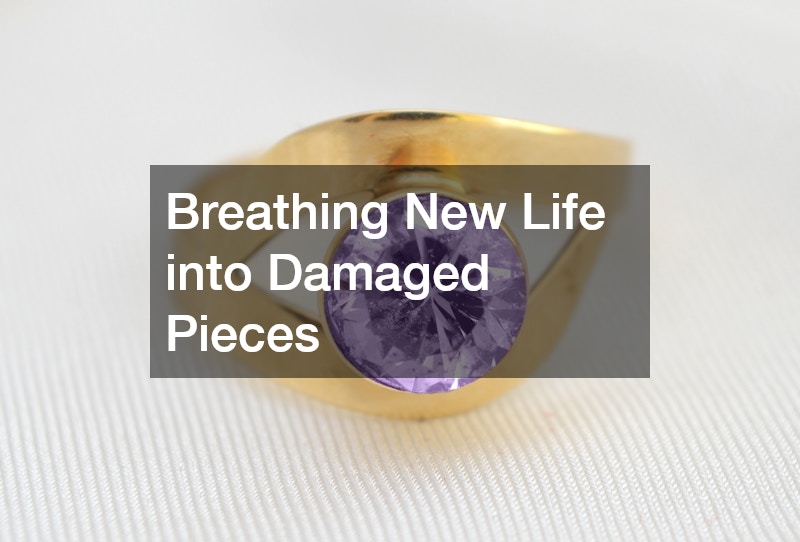
Once you have categorized your collection, you will likely find items that are fundamentally beautiful or valuable but are suffering from severe structural neglect. A broken clasp, a missing accent diamond, or a deeply scratched platinum band can make an item look entirely worthless to the untrained eye. However, strategic restoration can unlock significant hidden value. The key is understanding when to invest in a fix and when to simply let the item go for its raw material weight.
Calculate the Return on Investment for Restorations
You must treat restoring an old piece like a business decision. You need to weigh the cost of the labor and materials against the potential lift in the item’s resale value or its renewed wearability.
-
High ROI Fixes: Minor structural issues usually yield an excellent return on investment. Replacing a standard lobster clasp on a heavy chain, tightening a slightly loose center stone, or professionally polishing and rhodium-plating a white gold ring are relatively inexpensive procedures that dramatically elevate the presentation of the piece.
-
Low ROI Fixes: Conversely, major structural rebuilds rarely pay off if your ultimate goal is to sell. If a vintage ring requires a completely new shank (the bottom part of the band) and the rebuilding of all the prongs holding a low-quality center stone, the bench labor could easily exceed the total value of the finished ring. In these cases, it is often wiser to sell the item as-is or scrap it.
Inspect the Structural Integrity of Settings
Before deciding to wear an inherited item or present it for sale, you must ensure it is structurally sound. Losing a diamond because of a worn prong is a heartbreaking and entirely preventable scenario.
-
The Tap Test: Hold the piece close to your ear and gently tap the center stone with a wooden toothpick or your fingernail. If you hear a faint clicking or rattling sound, the stone is loose in its setting and the prongs must be tightened immediately.
-
Prong Evaluation: Use your loupe to examine the tips of the metal prongs holding the stones. They should look like rounded domes sitting flush against the gem. If they look flat, paper-thin, or are snagging on clothing, they are dangerously worn down.
Executing a targeted jewelry repair—such as using a microscopic laser welder to build up a worn platinum prong without applying dangerous heat to the gemstone—can save a piece from ruin. This level of preventative maintenance is what transforms a dilapidated antique into a highly desirable, premium vintage item.
Source Specialized Craftsmanship Over Retail Counters
Not all establishments that sell luxury goods are equipped to perform complex restorations. Taking a delicate, century-old filigree ring to the wrong bench worker can result in irreversible damage.
-
Independent Specialty Shops: For intricate restorations, antique refurbishments, or complex laser welding, seek out independent studios that employ master goldsmiths on-site. These artisans specialize in fabrication and understand the unique metallurgical properties of antique alloys.
-
Commercial Retailers: Large, national chain jewelry stores are generally best suited for highly standardized tasks. If you simply need a modern, mass-produced ring sized up one size, or a basic machine-made chain soldered back together, these locations are usually sufficient. However, be aware that many large retailers do not do the work in-house; they package your items and ship them to large, off-site factory repair centers, which increases the turnaround time and removes your ability to speak directly with the artisan handling your heirloom.
Understanding the Liquid Scrap Gold Market
Inevitably, your evaluation will yield a pile of items that have no aesthetic or historical value. This pile typically includes broken chains, single earrings, severely dented hollow bangles, or styles that are completely unsalvageable. These items represent your liquid scrap. To navigate this specific market successfully, you must understand the mathematics and the mechanics of precious metal commodities.
Track the Live Spot Price of Precious Metals
Precious metals are globally traded commodities, and their prices fluctuate every second of the trading day based on currency values, geopolitical stability, and industrial demand.
-
The Spot Price: This is the current market price for exactly one Troy ounce of pure, 24-karat gold (or silver, or platinum). You must check financial tracking websites on the exact day you plan to negotiate to know this baseline number.
-
Troy Ounces vs. Avoirdupois Ounces: It is crucial to note that precious metals are weighed in Troy ounces, not the standard Avoirdupois ounces used for groceries. One Troy ounce equals approximately 31.1 grams, whereas a standard ounce is roughly 28.3 grams. Ignorance of this distinction is a common way consumers miscalculate their expected payouts.
Sort and Weigh Your Items by Karat Weight
Before presenting your scrap pile to a buyer, you should know exactly what you are handing them. Organization is your best defense against mathematical sleight-of-hand.
-
Categorize by Purity: Separate your items strictly by their karat marks. Put all the 10k in one bag, the 14k in another, and the 18k in a third.
-
Use a Digital Scale: Weigh each bag separately using a digital scale calibrated in grams or pennyweights (DWT), which is the standard unit of measurement in the industry (one pennyweight equals 1.555 grams). Document these weights.
-
Deduct Non-Precious Elements: Remember that buyers only pay for the precious metal. If your scrap pile includes large gemstones, heavy enamel, or thick steel springs inside clasps, the buyer will subtract the estimated weight of these non-precious materials from the total.
If you decide to sell gold jewelry, you must understand that the payout is strictly a mathematical equation based on weight, purity, and the day’s spot price. The craftsmanship, the original retail price, or the emotional significance of the broken item factors into this equation exactly zero percent.
Demystify the Dealer’s Margin and Spread
A common source of frustration for consumers is realizing that no one pays 100% of the spot price for scrap metal. You must understand the economics of the secondary market to negotiate effectively.
-
The Refining Process: When a dealer buys your scrap, they cannot immediately sell it on the stock market. They must ship it to a specialized metallurgical refinery. The refinery melts the items down, uses harsh chemicals to burn out the copper, silver, and zinc alloys, and extracts the pure gold. The refinery charges the dealer fees for this service and keeps a percentage of the yield.
-
The Spread: To cover these refining costs, pay overhead (rent, insurance, staff), and make a profit, the dealer must build in a margin, known as the spread. A highly competitive, high-volume dealer might pay you 75% to 80% of the item’s intrinsic metal value. A buyer in a high-rent district with low volume might only offer 50%.
Understanding this fundamental aspect of gold buying and selling empowers you to ask direct, highly specific questions. Instead of asking “How much will you give me for this chain?”, you should ask, “What percentage of today’s spot price are you currently paying for 14-karat scrap?” This immediately signals to the buyer that you are an educated consumer who understands the underlying mathematics of the transaction.
Formatting and Presenting for a Premium Price
If you have items that are intact, highly stylish, or boast beautiful gemstones, selling them for their scrap metal weight is a massive financial mistake. These items belong on the secondary retail market, where buyers pay for the design, the stones, and the craftsmanship. However, to command a premium price on the secondary market, presentation is everything. You are no longer selling metal weight; you are selling romance, luxury, and aesthetics.
Clean and Polish Safely to Enhance Visual Appeal
A diamond that is caked in decades of hand lotion and soap scum will look dull, dark, and entirely unappealing. Proper cleaning can literally add thousands of dollars to an item’s perceived value.
-
The Safe Cleaning Method: For structurally sound pieces made of solid gold, platinum, and hard gemstones (like diamonds, sapphires, and rubies), soak the items in a bowl of very warm water mixed with a few drops of mild, degreasing dish soap. Let them sit for twenty minutes to loosen the grime. Then, use a baby-soft toothbrush to gently scrub behind the stones where dirt accumulates. Rinse thoroughly under a gentle stream of water (making sure the drain is firmly plugged) and dry with a lint-free microfiber cloth.
-
The Danger Zones: You must exercise extreme caution with porous, organic, or soft materials. Pearls, opals, turquoise, coral, and emeralds (which are often oiled to improve clarity) should never be soaked in water, exposed to harsh chemicals, or put in ultrasonic cleaning machines. They should only be wiped gently with a damp cloth. Ruining a vintage pearl necklace by soaking it in ammonia is an irreversible disaster.
Capture High-Resolution, Well-Lit Photographs
If you plan to utilize online peer-to-peer marketplaces or remote auction houses, your photography will be the single most important factor in securing a high bid. Blurry, dark photos taken on a messy kitchen counter signal to buyers that the item is low quality or that the seller is hiding flaws.
-
Mastering the Lighting: Turn off your camera’s flash and turn off all overhead indoor lights, which cast harsh yellow glares and ugly shadows. Instead, place your items on a table next to a large window that provides bright, indirect daylight. This soft, diffused lighting will make diamonds sparkle and show the true color of the metal.
-
Providing Context and Scale: Use a clean, neutral background, such as a piece of textured white cardstock or a dark gray slate tile. Because macro photography distorts size, you must provide the buyer with a sense of scale. Include at least one photograph showing the item next to a common object, like a dime, or ideally, a photograph of the ring being worn on a hand or the necklace draped over a mannequin.
Draft Transparent and Detailed Descriptions
When you write the listing for your item, your goal is to anticipate and answer every possible question a buyer might have. Vague descriptions breed hesitation, and hesitation kills sales.
-
Be Meticulously Detailed: State the exact karat purity, the gram weight, the ring size, and the length of chains in inches. If you have grading reports or appraisals, include high-quality scans of those documents in the listing.
-
Disclose Every Flaw: Transparency builds immense trust. If a vintage watch has a scratch on the crystal, or if a ring has a tiny chip on the side of the sapphire, state it clearly in the first paragraph and provide a close-up photo of the damage. Buyers of vintage items expect some wear and tear; what they will not tolerate is being surprised by undisclosed damage upon delivery.
If you are struggling to accurately describe the technical specifications before you attempt to sell jewelry, you do not have to guess. You can often walk into a friendly, established local jewelry store during their slow hours and politely ask the staff for a quick verbal verification of a ring size or a quick measurement of a stone using their digital calipers. Most professionals are happy to provide this minor courtesy.
Selecting the Right Buyer for Your Goals
With your items evaluated, sorted, cleaned, and photographed, you have reached the final and most critical phase: executing the transaction. The secondary market is vast and heavily fragmented. The channel you choose will entirely depend on your personal timeline, your tolerance for risk, and whether you prioritize immediate cash or maximum overall profit.
Match Your Timeline to the Right Sales Channel
Different buyers operate on completely different business models, and you must align your expectations with their realities.
-
Immediate Liquidation: If you need cash today, your options are limited to pawnshops, local coin dealers, and high-volume scrap refiners. These entities pay immediately, but because they assume all the inventory risk and are often looking for quick turnarounds, their offers will be strictly wholesale. You are trading maximum profit for immediate convenience.
-
Consignment Models: If you have high-quality, desirable pieces and can afford to wait, consignment is often the most lucrative route. In this model, a boutique places your item in their showcases and sells it on your behalf, taking a percentage of the final sale price (typically 20% to 40%). Because they do not have to lay out their own capital to buy the inventory upfront, they can afford to price the item much higher, ultimately netting you more money—provided you have the patience to wait weeks or months for the right retail customer to walk through the door.
-
Auction Houses: For exceptionally rare, historical, or high-value signed pieces, regional or international auction houses are the premier choice. They have the marketing power to reach dedicated collectors globally, driving up prices through competitive bidding.
Execute a Thorough Background Check on Potential Buyers
The unfortunate reality of the precious metals industry is that it attracts opportunistic operators. You must fiercely protect yourself by aggressively vetting anyone who offers to take your items.
-
Verify Credentials: Before conducting business, look up the entity’s profile on the Better Business Bureau (BBB) to check for unresolved complaints. Read independent online reviews, paying close attention to 1-star and 2-star reviews to see how the business handles disputes.
-
Avoid Transient Operations: Be extremely wary of pop-up “buying events” hosted in hotel conference rooms or temporary mail-in services advertised heavily on late-night television. These operations are designed for high volume and rapid exits, offering very little transparency, terrible pricing spreads, and almost zero recourse if your items are mysteriously “lost in the mail.”
-
Check the Equipment: Legitimate buyers are required by the Department of Weights and Measures to use scales that are state-certified, regularly calibrated, and positioned in plain view so the customer can see the weight readout simultaneously. If a buyer takes your items into a back room to weigh them out of your sight, politely demand them back and leave immediately.
Protect Yourself During the Final Transaction Phase
When you finally sit across the desk from a buyer, you must remain entirely objective and treat the exchange as a sterile business contract.
-
Establish a Walk-Away Price: Before you walk into any establishment, look at your notes and determine your absolute minimum acceptable price. If the offer does not meet that threshold, simply pack up your items, thank them for their time, and walk out the door. Removing emotion from the negotiation is your strongest tactic.
-
Demand Itemized Paperwork: If you are leaving your items on consignment, or leaving them for a few days so a gemologist can inspect them, never walk out the door without a highly detailed, signed receipt. This receipt must explicitly state the exact gram weight of the items, detailed descriptions of the stones, and the agreed-upon terms of the arrangement.
Furthermore, legitimate jewelry buyers are heavily regulated by local and federal laws designed to combat the fencing of stolen goods. When selling jewelry, expect the buyer to request a valid, government-issued photo ID. Depending on your municipality, they may also be legally required to take your thumbprint, photograph the items, and hold the pieces in a vault for a mandatory period (often 14 to 30 days) to ensure they are not reported stolen before they can be melted or resold. These protocols are standard operating procedures for honest businesses and should give you confidence that you are dealing with a legitimate, law-abiding professional.
Conclusion
The journey of converting forgotten, inherited, or damaged items into usable capital is not one that should be rushed. It requires a deliberate, methodical approach that prioritizes factual data over emotional attachment and objective measurements over hopeful guesses. By taking the time to thoroughly evaluate your pieces with a loupe, researching historical documentation, and understanding the core mathematics of the precious metals market, you transform yourself from a vulnerable novice into a highly informed seller.
It is also crucial to address the quiet guilt that often accompanies parting with family heirlooms. Objects themselves do not contain memories; they are merely physical placeholders. Allowing a broken, outdated ring to sit in a dark drawer for forty years honors no one. Liquidating that item to fund a family vacation, pay down debt, or even purchase a modern piece that you will wear joyfully every single day is a profoundly smart, empowering financial decision that honors the value of the gift far more than letting it tarnish in obscurity.
Do not let the fear of the unknown keep your assets locked away in a velvet box. Dedicate an hour this weekend to pull out your collection, separate the obvious scrap from the beautiful vintage pieces, and order a simple magnifying loupe. You already possess the hidden wealth; all that remains is to take the very first step toward uncovering its true potential.