Key Takeaways
- A proactive management approach is essential for keeping commercial properties efficient, profitable, and resilient over the long term, rather than relying on reactive fixes.
- Preventive maintenance helps reduce costly breakdowns, extend equipment lifespan, and minimize disruptions for tenants and daily operations.
- Tenant satisfaction directly influences occupancy rates, making communication, responsiveness, and comfort key drivers of long-term revenue stability.
- Technology such as building management systems, IoT sensors, and maintenance software improves decision-making, efficiency, and operational visibility.
- Strong financial planning and cost control strategies help balance expenses without sacrificing safety, performance, or asset quality.
- Compliance, safety protocols, and emergency preparedness are critical for protecting both occupants and the property from legal and operational risks.
- Long-term planning, including system upgrades and lifecycle forecasting, ensures sustained property value and reduces the risk of unexpected capital expenses.
Commercial properties are long-term investments that require more than routine upkeep to remain profitable and competitive. Successful ownership is not just about collecting rent or maintaining occupancy—it involves a strategic approach to operations, maintenance, tenant satisfaction, compliance, and long-term asset planning. Without a structured management system, even well-located buildings can quickly lose value due to inefficiencies, safety risks, and declining tenant experience.
Effective commercial building management brings together multiple disciplines: facilities maintenance, financial oversight, risk mitigation, and tenant relations. When these elements work together, property owners can extend asset lifespan, reduce unexpected costs, and improve overall return on investment. This guide explores best practices that help ensure commercial properties remain functional, compliant, and profitable over time.
What Does Effective Commercial Building Management Really Mean?
Commercial building management is more than reacting to issues as they arise. It is a proactive and structured approach to maintaining a property’s physical condition, financial performance, and operational efficiency. At its core, it ensures that all systems—mechanical, structural, and administrative—work together seamlessly to support tenants and protect the building’s long-term value.
A well-managed building anticipates problems before they escalate. Instead of waiting for equipment failure or tenant complaints, managers rely on inspection schedules, predictive maintenance, and data-driven decision-making. This approach reduces downtime, minimizes costs, and improves tenant satisfaction.
Key components include:
- Operational oversight: Ensuring daily building functions run smoothly, from utilities to security systems.
- Preventive maintenance: Addressing wear and tear before it becomes a costly repair.
- Financial control: Managing budgets, operating expenses, and capital planning.
- Tenant management: Maintaining strong communication and resolving issues quickly.
- Compliance monitoring: Meeting safety codes, legal requirements, and industry regulations.
When these elements are aligned, the property becomes more resilient and easier to scale over time.
How Can Preventive Maintenance Improve Property Longevity?
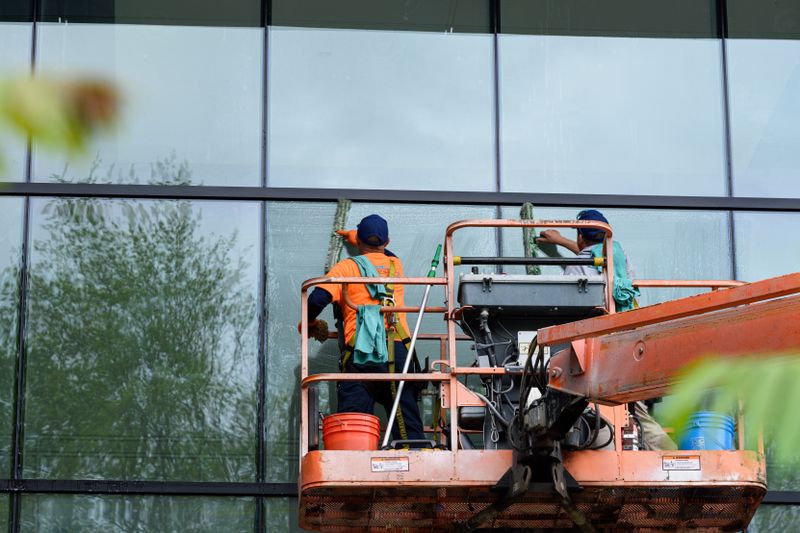
Preventive maintenance is one of the most important pillars of long-term property success. Instead of waiting for systems to fail, this approach focuses on scheduled inspections and servicing to keep equipment in optimal condition. It reduces emergency repairs, extends asset lifespan, and improves operational efficiency across the entire building.
A strong preventive maintenance plan typically covers HVAC systems, plumbing, electrical infrastructure, elevators, roofing, and fire safety systems. Each component is monitored based on usage cycles and manufacturer recommendations.
Benefits include:
- Reduced repair costs: Small issues are addressed before becoming expensive breakdowns.
- Longer equipment lifespan: Regular servicing reduces wear and tear.
- Improved energy efficiency: Well-maintained systems consume less energy.
- Fewer tenant disruptions: Prevents unexpected outages or service interruptions.
Over time, preventive maintenance creates a more predictable operating environment, allowing property managers to plan budgets more effectively and avoid financial surprises.
Why Tenant Experience Should Be a Priority
Tenant satisfaction is directly tied to occupancy rates and long-term revenue stability. Even the most well-designed building can struggle if tenants experience ongoing issues such as delayed maintenance, poor communication, or unreliable facilities. Prioritizing tenant experience helps reduce turnover and strengthens lease renewals.
Effective tenant management involves more than responding to complaints. It requires proactive engagement and clear communication channels. Tenants should feel that their concerns are addressed promptly and professionally.
Ways to improve tenant experience:
- Fast response times: Address maintenance requests quickly and efficiently.
- Clear communication: Keep tenants informed about repairs or disruptions.
- Comfort and usability: Ensure lighting, temperature, and amenities meet expectations.
- Feedback systems: Regularly gather tenant input to identify improvement areas.
A positive tenant experience not only increases retention but also enhances the property’s reputation in the market.
What Role Does Technology Play in Modern Building Management?
Technology has transformed how commercial properties are managed. From automated systems to real-time monitoring tools, digital solutions help reduce manual workload and improve decision-making accuracy. Smart building systems now allow managers to track energy usage, detect faults early, and optimize building performance remotely.
Common technologies include:
- Building Management Systems (BMS): Centralized control of HVAC, lighting, and security.
- IoT sensors: Real-time monitoring of equipment performance and environmental conditions.
- Maintenance software: Automates work orders and tracks service history.
- Energy analytics tools: Identify inefficiencies and reduce utility costs.
These tools provide actionable insights that help managers make informed decisions rather than relying on guesswork. Over time, technology adoption leads to more efficient operations and lower long-term costs.
In some cases, upgrading systems may also require commercial building renovation, especially when integrating older infrastructure with modern digital solutions.
How to Build a Strong Preventive Inspection System
A structured inspection system ensures that no part of the building is overlooked. Regular inspections help identify risks early and maintain consistent performance across all systems. Without a clear inspection framework, small issues can go unnoticed until they become major problems.
An effective inspection system includes:
- Daily checks: Security systems, lighting, and common areas.
- Weekly inspections: HVAC performance, plumbing leaks, and elevator function.
- Monthly reviews: Electrical systems, fire safety equipment, and energy usage.
- Annual audits: Structural integrity, roofing conditions, and compliance checks.
Documentation is essential. Every inspection should be recorded, including findings, corrective actions, and follow-up schedules. This creates accountability and helps track recurring issues over time.
How to Manage Costs Without Sacrificing Quality
Cost control is a critical aspect of commercial building management, but it should never come at the expense of safety or performance. The goal is to optimize spending rather than simply reduce it. Poor cost-cutting decisions often lead to higher expenses in the long run due to breakdowns and inefficiencies.
Effective cost management strategies include:
- Long-term budgeting: Planning expenses over multi-year cycles.
- Vendor comparison: Evaluating service providers for quality and pricing balance.
- Energy efficiency upgrades: Reducing utility bills through smarter systems.
- Preventive maintenance investment: Avoiding costly emergency repairs.
Another key factor is risk management. Poor oversight can increase exposure to hazards and legal issues, especially when compliance is neglected. This is where reducing legal liability risks in commercial buildings becomes a critical part of financial planning and operational strategy.
How Can Compliance and Safety Be Properly Maintained?
Compliance is not optional in commercial building management—it is a legal and operational necessity. Buildings must adhere to local safety codes, environmental regulations, and occupational health standards. Failure to comply can result in penalties, lawsuits, or even forced shutdowns.
A strong compliance system includes:
- Routine safety inspections
- Updated fire protection systems
- Emergency preparedness plans
- Proper documentation of maintenance activities
Training is also important. Staff should understand emergency procedures, evacuation protocols, and reporting systems. Regular drills help ensure readiness in case of emergencies.
Compliance should be reviewed regularly, as regulations can change over time. Staying updated prevents legal complications and ensures long-term operational stability.
How to Improve Energy Efficiency in Commercial Properties
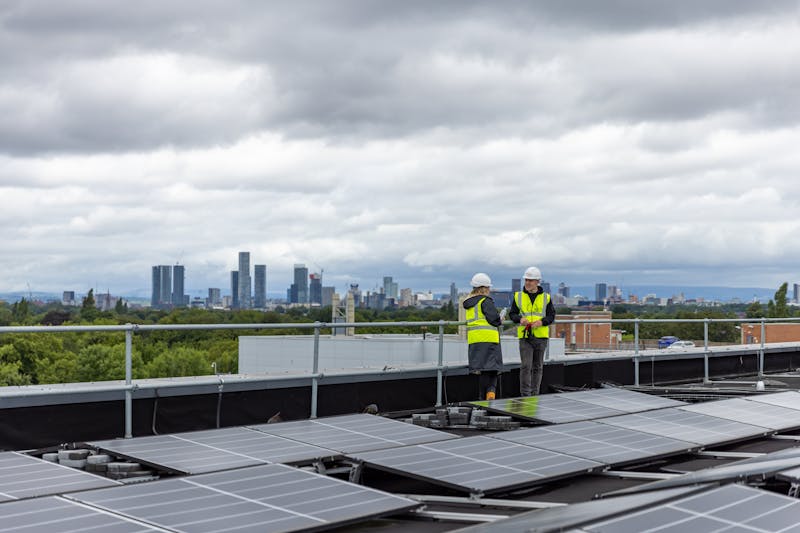
Energy efficiency is no longer optional—it is a key factor in reducing operational costs and improving sustainability. Commercial buildings consume significant energy through heating, cooling, lighting, and equipment usage. Without proper management, these costs can quickly escalate.
Improvement strategies include:
- Upgrading to LED lighting systems
- Installing smart thermostats and sensors
- Improving insulation and window efficiency
- Using energy monitoring systems
- Installing solar panels
Small improvements can lead to significant long-term savings. Additionally, energy-efficient buildings are more attractive to tenants who prioritize sustainability and lower utility costs.
Why Long-Term Planning Matters in Property Management
Long-term planning ensures that a commercial property remains functional and profitable for decades. Instead of reacting to immediate issues, property managers must anticipate future needs such as system upgrades, structural repairs, and market changes.
A long-term plan typically includes:
- Capital improvement forecasting
- Lifecycle replacement schedules
- Market trend analysis
- Risk assessment planning
Without long-term planning, buildings often fall into cycles of reactive maintenance, which increases costs and reduces efficiency. Strategic foresight ensures that investments are made at the right time, preserving asset value.
How to Strengthen Vendor and Contractor Relationships
Vendors and contractors play a crucial role in building performance. From cleaning services to specialized maintenance providers, their work directly affects tenant satisfaction and operational efficiency. Strong relationships ensure reliable service and better pricing over time.
Best practices include:
- Clear service agreements: Define expectations and performance standards.
- Regular performance reviews: Evaluate quality and timeliness.
- Long-term partnerships: Build trust with consistent vendors.
- Transparent communication: Avoid misunderstandings and delays.
Reliable vendors reduce operational stress and ensure that issues are resolved quickly and professionally.
How Risk Management Protects Long-Term Investment Value
Risk management is essential for protecting both the physical asset and the financial performance of a commercial building. Risks can come from safety hazards, equipment failure, legal disputes, or environmental factors. A proactive approach helps reduce exposure and prevent costly incidents.
Key strategies include:
- Routine hazard assessments
- Insurance coverage reviews
- Emergency response planning
- Regular system audits
Ignoring risk management can lead to significant financial losses and reputational damage. A structured approach ensures stability and protects long-term investment value.
How Does Emergency Preparedness Strengthen Building Resilience?
Emergency preparedness is a critical but often underestimated aspect of commercial building management. While many property owners focus on maintenance and tenant satisfaction, they sometimes overlook how well the building can respond to unexpected events such as fires, earthquakes, power outages, or flooding. A strong emergency preparedness plan ensures that both tenants and infrastructure are protected when disruptions occur.
This involves more than simply having fire extinguishers or evacuation maps in place. It requires a coordinated system that includes staff training, communication protocols, and regular emergency drills. Building managers should also ensure that emergency exits are clearly marked, accessible, and compliant with safety regulations.
Key elements of preparedness include:
- Clearly defined evacuation routes and procedures
- Emergency lighting and backup power systems
- Regular fire and safety drills for tenants and staff
- Communication systems for real-time alerts
When emergency systems are tested regularly, response times improve significantly during real incidents. This reduces damage, prevents injuries, and helps restore operations faster. Strong preparedness planning also contributes to long-term stability by reducing downtime and protecting the building’s reputation as a safe and reliable space.
Why is Data-Driven Decision-Making Important in Building Management?
Data-driven decision-making has become a cornerstone of modern commercial building management. Instead of relying solely on intuition or reactive problem-solving, property managers now have access to real-time data that helps them make more informed operational choices. This shift allows for better efficiency, cost control, and long-term planning.
Data can come from multiple sources such as energy monitoring systems, maintenance logs, tenant feedback platforms, and occupancy sensors. When analyzed correctly, this information reveals patterns that would otherwise go unnoticed. For example, recurring HVAC issues might indicate the need for system upgrades, while high energy consumption during specific hours may suggest inefficiencies in scheduling or usage.
Benefits of data-driven management include:
- Improved maintenance forecasting and planning
- Reduced operational waste and energy consumption
- Better tenant satisfaction through faster response times
- Enhanced financial planning accuracy
Over time, data helps transform building management from a reactive function into a proactive strategy. It also supports investment decisions by identifying which upgrades or improvements will deliver the highest return. This leads to smarter resource allocation and stronger long-term property performance.
How Can Sustainability Practices Improve Property Value?
Sustainability is no longer just a trend in commercial real estate—it is a key factor influencing property value, tenant demand, and long-term operational costs. Buildings that adopt environmentally responsible practices tend to attract higher-quality tenants and retain occupancy more effectively. They also benefit from lower utility expenses and improved regulatory compliance.
Sustainable building management includes a wide range of practices, from energy efficiency upgrades to waste reduction systems. Property owners who invest in sustainability often see long-term financial advantages, even if initial costs are higher. Green buildings are also more resilient to regulatory changes and market shifts, making them more stable investments.
Common sustainability practices include:
- Installing energy-efficient HVAC and lighting systems
- Implementing water conservation technologies
- Using eco-friendly building materials
- Promoting recycling and waste management programs
Sustainability also plays a role in tenant satisfaction. Many businesses today prefer office or commercial spaces that align with their corporate environmental goals. As a result, sustainable properties often command higher lease rates and experience stronger tenant retention.
What are the Key Elements of Effective Lease Management?
Lease management is a vital component of commercial building management because it directly impacts revenue stability and tenant relationships. A well-structured lease management system ensures that agreements are clear, enforceable, and aligned with both tenant needs and property objectives. Poor lease management, on the other hand, can lead to disputes, vacancies, and financial inconsistencies.
Effective lease management begins with clear documentation. Every lease agreement should outline responsibilities for maintenance, utilities, insurance, and renewal terms. Property managers must also track critical dates such as renewals, rent escalations, and termination deadlines to avoid revenue disruptions.
Key elements include:
- Accurate lease documentation and record-keeping
- Automated tracking of renewal and expiration dates
- Clear rent collection and escalation policies
- Transparent communication with tenants regarding lease terms
Strong lease management also improves forecasting accuracy, allowing property owners to anticipate income streams and plan budgets more effectively. When combined with good tenant relationships, it reduces turnover and creates long-term stability for the property portfolio.
How Can Facility Upgrades Support Long-Term Asset Performance?
Facility upgrades play a crucial role in maintaining and improving the long-term performance of commercial properties. Over time, building systems naturally degrade due to usage, environmental exposure, and evolving technology standards. Without timely upgrades, properties can become inefficient, costly to maintain, and less attractive to tenants.
Upgrades should be planned strategically rather than reactively. This involves assessing which systems are nearing the end of their lifecycle and prioritizing improvements that will have the greatest impact on performance and cost savings. In many cases, upgrading outdated systems can significantly reduce operating expenses while improving tenant comfort.
Common upgrade areas include:
- HVAC system modernization for energy efficiency
- Electrical system improvements for safety and capacity
- Elevator modernization for reliability and compliance
- Structural enhancements for durability and usability
Facility upgrades are often closely tied to long-term investment strartegy. In some cases, major improvements fall under commercial building renovation, especially when multiple systems or structural components are being modernized at the same time. These upgrades not only extend the building’s lifespan but also increase its market competitiveness.
How Does Proactive Communication Improve Operational Efficiency?
Proactive communication is one of the most underrated but powerful tools in commercial building management. Clear and consistent communication between property managers, tenants, vendors, and maintenance teams helps prevent misunderstandings, reduce delays, and improve overall operational efficiency. When communication breaks down, even small issues can escalate into costly problems.
Effective communication systems ensure that all stakeholders are informed about maintenance schedules, service interruptions, policy changes, and emergency procedures. This reduces confusion and builds trust between tenants and management teams. It also allows issues to be resolved more quickly because everyone understands their responsibilities.
Best practices include:
- Regular tenant updates via email or digital platforms
- Centralized maintenance request systems
- Scheduled meetings or check-ins with key tenants
- Clear escalation procedures for urgent issues
Proactive communication also supports better decision-making. When tenants report issues early, property managers can address them before they escalate into larger structural or operational problems. This improves efficiency, reduces costs, and strengthens long-term tenant relationships
Conclusion
Effective commercial building management is a continuous process that combines maintenance, tenant relations, financial planning, compliance, and technology integration. When managed strategically, a commercial property becomes more than a physical structure—it becomes a stable, income-generating asset with long-term growth potential.
By focusing on preventive maintenance, tenant satisfaction, risk reduction, and long-term planning, property owners can significantly improve operational efficiency and protect their investments. A well-managed building is not only more profitable but also more resilient in an increasingly competitive real estate environment.