Reducing legal liability risks requires more than simply responding to problems as they arise. Commercial property owners have a duty to maintain safe premises, address known hazards, comply with applicable regulations, and take reasonable steps to protect tenants, visitors, employees, and contractors. Failure to meet these responsibilities can result in negligence claims, financial losses, and increased operational costs that could have been avoided through proper planning and preventative maintenance.
This guide explores practical strategies for reducing legal liability risks in commercial buildings. From maintaining exterior grounds and building systems to improving security, documenting inspections, and strengthening financial protections, these best practices can help property owners create safer environments, limit exposure to legal claims, and protect their investments for the long term.
Eliminate Trip Hazards in Parking Lots and Walkways
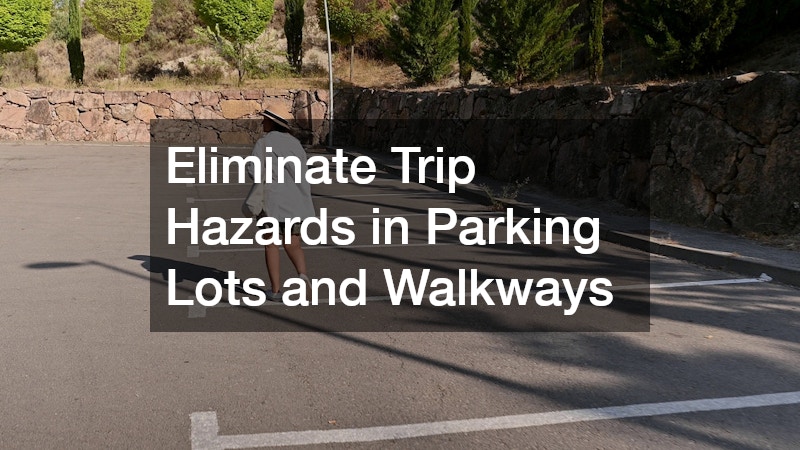
The journey of a tenant or customer begins long before they enter your lobby. It begins in the parking lot, which is statistically where the majority of premises liability claims originate. “Trip and fall” or “slip and fall” accidents are the most common cause of injury in commercial spaces. While a cracked sidewalk might seem like a minor aesthetic nuisance, in a court of law, it is often viewed as a documented hazard that the owner failed to address.
The asphalt surfaces of your property are subject to immense stress from vehicle weight, UV radiation, and water infiltration. Over time, this leads to alligator cracking, potholes, and heaving. It is insufficient to simply patch these holes as they appear. A proactive strategy involves partnering with a reputable commercial asphalt contractor to establish a pavement preservation schedule. Regular seal coating, for example, not only extends the life of the pavement but also provides a high-contrast black surface that makes yellow safety markings and crosswalks more visible to pedestrians and drivers. If a pedestrian trips in a pothole that has been visible for months, the argument for negligence is strong. Conversely, documenting a history of regular inspections and repairs demonstrates a commitment to safety.
Beyond the parking lot, the concrete sidewalks and curbs present their own set of liabilities. Concrete is rigid and prone to shifting due to soil settlement or tree root growth. The Americans with Disabilities Act (ADA) has strict guidelines regarding the slope and evenness of walkways. A vertical change in level as small as one-quarter of an inch can be considered a trip hazard.
- Uneven expansion joints: Where one slab has risen above another.
- Spalling: Where the surface of the concrete has chipped away, creating a rough, unstable surface.
- Crumbling curbs: Which can cause ankle injuries as people step up or down.
When these issues are identified, calling in commercial concrete services immediately is crucial. Modern concrete grinding technology can level uneven joints without the need for full replacement, providing a cost-effective way to eliminate trip hazards. For more severe deterioration, removing and repouring the section is the only defensible choice. Keeping these pathways pristine is your first line of defense against personal injury claims.
Mitigate Weather-Related Accidents and Water Damage
The weather is unpredictable, but your response to it must be disciplined and documented. In many regions, winter presents the single highest liability season due to the accumulation of snow and ice. The legal expectation is not that an owner catches every single snowflake before it lands, but that they have a reasonable and effective plan in place to manage accumulation.
Liability often hinges on the timing and quality of the response. If a tenant slips on black ice at 8:00 AM, and the lot hasn’t been treated since the previous evening despite a forecast of freezing rain, the owner is at risk. This is why casual arrangements for plowing are dangerous. You need a contract with a professional commercial snow removal company that understands the legal stakes. These professionals do more than push snow; they keep detailed logs of when they arrived, what equipment was used, how much salt or sand was applied, and what the weather conditions were at the time. In the event of a lawsuit three years later, these logs are often the only evidence that proves you fulfilled your duty of care.
While exterior water freezes, internal water leaks. Water damage is the leading cause of non-weather-related property loss and can trigger complex liability issues involving mold growth, “sick building syndrome,” and damage to tenant property. A burst pipe on the top floor can destroy server rooms, inventory, and drywall on every floor below it.
- Winterization: Ensure hose bibs are drained, and pipes in unheated areas (like loading docks or attics) are properly insulated or heat-traced.
- Pressure Testing: High water pressure can stress joints and valves, leading to premature failure.
- Backflow Prevention: Regular testing is usually mandated by the city, but it is also a critical health safety measure.
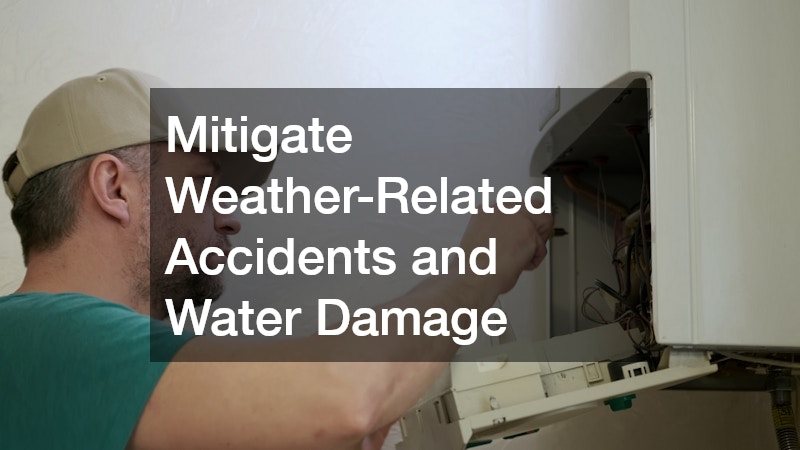
Retaining a skilled plumbing contractor for regular audits is a wise investment. They can inspect your boiler systems, sump pumps, and water heaters to identify corrosion or fatigue before a catastrophic failure occurs. A maintenance contract often ensures priority status during emergencies, meaning your plumber arrives in an hour rather than a day, drastically reducing the scale of water damage and the resulting liability.
Strengthen Physical Security and Access Protocols
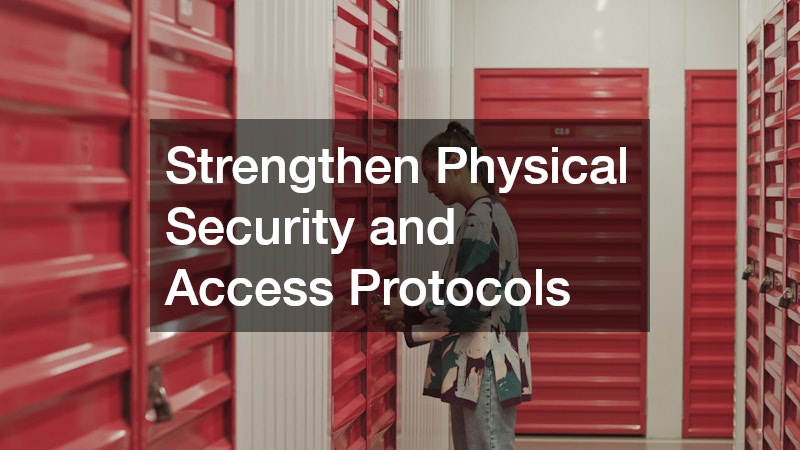
Security liability is a growing concern for building owners. “Negligent security” claims can arise if a crime occurs on the property and it is determined that the owner failed to provide adequate locks, lighting, or access control. This is particularly relevant in multi-tenant buildings where common areas are the owner’s responsibility.
The most fundamental aspect of building security is key control. In many older buildings, there is no record of how many master keys are in circulation. Former tenants, cleaning crews, and maintenance staff may still have access. If a crime is committed using a key, the liability for the building owner is significant. Reliance on standard hardware store locks is a vulnerability because keys can be easily duplicated without authorization.
Consulting with experienced commercial locksmiths is the first step toward regaining control. They can implement a restricted keyway system. In these systems, the keys are patent-protected and cannot be duplicated by a standard hardware store; they can only be cut by the specific locksmith who designed the system, and only with written authorization from the building owner. This creates a permanent audit trail of every key in existence.
For even greater risk reduction, consider moving from mechanical keys to electronic access control. Electronic systems allow you to:
- Terminate access instantly: If an employee is fired or a tenant moves out, their fob is deactivated in seconds.
- Audit traffic: You can see exactly who entered a door and at what time.
- Restrict hours: Cleaners can be granted access only during their shift hours, reducing the window of opportunity for theft.
Furthermore, physical security extends to the hardware itself. Panic bars on emergency exits must function perfectly to prevent tragedy during a fire, yet they must also secure the door against entry from the outside. Regular inspections of door closers, hinges, and latches ensure that a door that is supposed to be locked is actually locked. Security is not a “set it and forget it” system; it requires constant evolution to match the threat landscape.
Ensure Operational Continuity During Power Failures
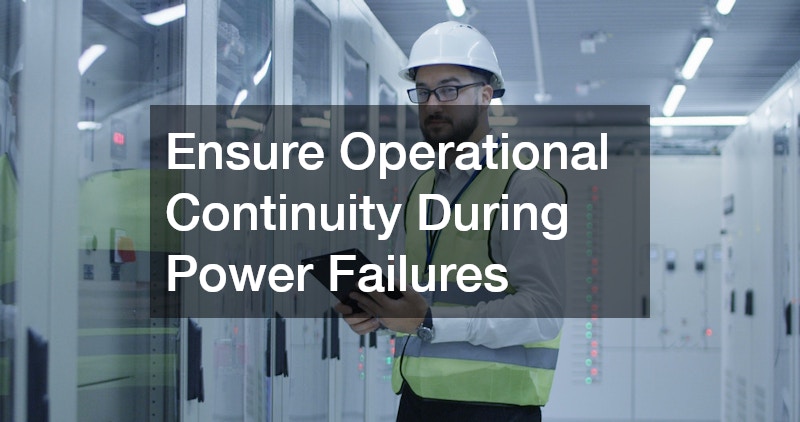
Loss of power is not just an inconvenience; it is a significant liability event. When a building goes dark, the risk of injury skyrockets. Elevators may trap passengers, unlit stairwells become fall hazards, and security systems (including cameras and electronic locks) may go offline, leaving the property vulnerable. For industrial tenants or data centers, a power loss can mean millions of dollars in spoiled inventory or lost data, leading to complex claims against the landlord for failing to provide reliable infrastructure.
To mitigate these risks, the building must have a robust emergency power strategy. At a minimum, local fire codes require emergency lighting and illuminated exit signs. These rely on batteries that must be tested monthly. However, for true risk reduction, many owners are turning to commercial building backup generators. A generator ensures that life-safety systems, elevators, and critical heating or cooling pumps remain operational during a grid failure.
- Load Bank Testing: It is not enough to simply start the engine once a week. You must perform load bank testing, where the generator is run under a simulated electrical load to ensure it can actually handle the building’s demands without overheating or stalling.
- Fuel Management: Diesel fuel degrades over time. Polishing the fuel and keeping tanks full is essential.
Properly maintaining these systems safeguards the value of commercial and industrial real estate. Tenants are increasingly demanding resilience in their leases. Being able to guarantee operational continuity not only reduces your liability regarding safety and business interruption but also justifies higher lease rates and increases tenant retention. It signals that the building is managed with a focus on high-performance standards and disaster preparedness.
Manage Risks During Tenant Renovations and Build-Outs
The period of construction—whether it is a new tenant build-out or a lobby renovation—is one of the most dangerous times in a building’s lifecycle. Construction sites are rife with potential liabilities: fire hazards from “hot work” (welding/soldering), environmental hazards from dust or asbestos disturbance, and unauthorized access by undocumented workers.
Furthermore, if a tenant hires their own low-cost contractors who perform substandard work, the building owner often inherits the liability. If a tenant’s electrician overloads a circuit that later causes a fire, the owner is the one left picking up the pieces.
- Code Compliance: All work meets current building and fire codes.
- System Integrity: The HVAC and electrical modifications are compatible with the building’s central systems.
- Insurance Verification: Every subcontractor on site has provided valid certificates of insurance with the building owner named as an additional insured.
- Containment: Use airtight barriers to prevent drywall dust or fumes from entering the ventilation system and affecting other tenants.
- Fire Safety: Enforce a “fire watch” protocol where work stops an hour before the crew leaves to ensure no smoldering materials remain.
- Lien Waivers: Ensure that you collect lien waivers from all contractors and suppliers to prevent financial liability if the general contractor fails to pay them.
By standardizing the renovation process, you protect the physical structure of the building and insulate yourself from the chaotic variables that often accompany construction projects.
Transfer Residual Risk Through Comprehensive Coverage
Even with the most rigorous maintenance protocols, the most advanced security systems, and the best contractors, risk cannot be entirely eliminated. Accidents are, by definition, unexpected. This is why the final pillar of liability reduction is the financial transfer of risk through insurance.
Many property owners make the mistake of renewing their insurance policies year after year without a thorough review. However, as property values fluctuate, construction costs rise, and tenant activities change, a policy written five years ago may be woefully inadequate today. “Under-insurance” is a massive liability. If your building burns down and the payout only covers 60% of the replacement cost due to inflation, the owner is personally liable for the difference.
- General Liability Limits: Are your limits high enough to cover a multi-million dollar settlement? Umbrella policies are often a cost-effective way to add layers of protection.
- Loss of Rents: Does your policy cover the income you lose while the building is being repaired after a disaster?
- Ordinance or Law Coverage: Standard policies often pay to replace what was there, but they do not pay for the upgrades required by new building codes. This coverage bridges that gap.
It is also vital to understand the insurance requirements for your tenants. Your lease should clearly stipulate the minimum insurance the tenant must carry. You must verify this annually. If a tenant runs a high-risk operation but carries minimal coverage, the plaintiff lawyers will inevitably target the “deep pockets” of the property owner.
Ultimately, insurance is not just a sunk cost; it is a tool for preserving the equity in your commercial real estate. It reassures lenders, investors, and partners that the asset is solvent and resilient against the worst-case scenarios.
Conclusion
Reducing liability is not a one-time project; it is an ongoing operational philosophy. It requires a property owner to look at their building not just as a source of revenue, but as a complex ecosystem of physical, mechanical, and human interactions.
By systematically addressing the physical hazards in your parking lots and walkways, preparing for the inevitability of severe weather, securing the building envelope, ensuring power reliability, managing construction risks, and maintaining robust insurance coverage, you build a fortress around your investment.