
Managing a large-scale facility is a complex, high-stakes endeavor. Behind the sleek lobbies and busy office spaces lies a massive, interconnected network of structural, mechanical, and electrical systems. For property managers, real estate developers, and facility directors, the difference between profitability and endless financial hemorrhage often comes down to one core philosophy: proactive versus reactive maintenance.
When you manage a massive footprint, relying on a break-fix model is a recipe for disaster. A single undetected failure can trigger a cascade of secondary issues, leading to operational downtime, frustrated tenants, and staggering emergency repair costs. The alternative is adopting a rigorous, scheduled maintenance strategy that addresses every aspect of the property from the ground up. By anticipating wear and tear before it results in system failure, property managers can extend the lifespan of costly assets, optimize energy consumption, and maintain a safe, welcoming environment that commands premium lease rates.
This comprehensive guide serves as a roadmap for maintaining large-scale properties. By breaking down the facility into manageable zones—exterior grounds, the building envelope, interior water systems, electrical grids, thermal insulation, and physical security—this guide provides the actionable strategies necessary to keep your facility operating at peak performance year-round.
Section 1: Maintaining Exterior Grounds and Hardscaping

The exterior of your property is the first physical interaction tenants and visitors have with your brand. However, grounds maintenance goes far beyond mere aesthetics; it is fundamentally about risk management, accessibility, and environmental stewardship. Ignoring the hardscaping and exterior amenities can lead to severe liability issues and accelerated depreciation of the property’s physical assets.
Implement a Quarterly Inspection Routine for Paving and Walkways
The foundational elements of your exterior—parking garages, loading docks, and pedestrian walkways—endure relentless stress. Vehicle traffic, harsh weather conditions, heavy loads, and the inevitable shifting of the earth all contribute to the gradual breakdown of these surfaces. A quarterly inspection routine is vital for catching minor issues before they necessitate total replacements.
When inspecting your grounds, you must look for early warning signs of structural degradation. Minor surface cracks may seem harmless, but they allow water to penetrate the sub-base. During winter months, this trapped water freezes and expands, widening the cracks and eventually leading to significant structural failure, such as potholes or heaving walkways. This creates immense trip-and-fall liabilities that property managers must avoid at all costs.
To mitigate these risks, a thorough hardscaping maintenance plan should include:
-
Routine crack sealing: Filling fissures with industrial sealants before the wet season begins to prevent water intrusion.
-
Surface leveling: Grinding down uneven transition points on sidewalks to remain compliant with accessibility regulations.
-
Drainage clearing: Ensuring that catch basins and trench drains in parking areas are completely free of debris so water does not pool and degrade the surface materials.
-
Professional resurfacing: Engaging specialists to repair and reseal commercial concrete parking lots and pedestrian plazas, which effectively seals out moisture, restores friction for safety, and significantly extends the lifespan of the material.
Consider Eco-Friendly Amenities to Boost Tenant Well-Being
Modern facility management is increasingly focused on sustainability and tenant wellness. Large corporate campuses and mixed-use developments are no longer just places to work; they are environments designed to foster productivity and well-being. Integrating green spaces and eco-friendly amenities into your grounds maintenance strategy can drastically improve tenant retention and help your property achieve coveted green building certifications.
Consider the growing trend of biophilic design, which seeks to connect building occupants more closely to nature. Incorporating native, drought-resistant landscaping reduces irrigation costs and minimizes the need for chemical fertilizers. Furthermore, adding structured indoor-outdoor environments can be a massive draw for high-value tenants. For instance, designing and erecting a modern commercial greenhouse on the campus grounds provides a year-round botanical space for employees to relax, improves local air quality, and can even be utilized by on-site culinary teams to grow fresh, hyper-local produce.
Section 2: Protecting the Building Envelope
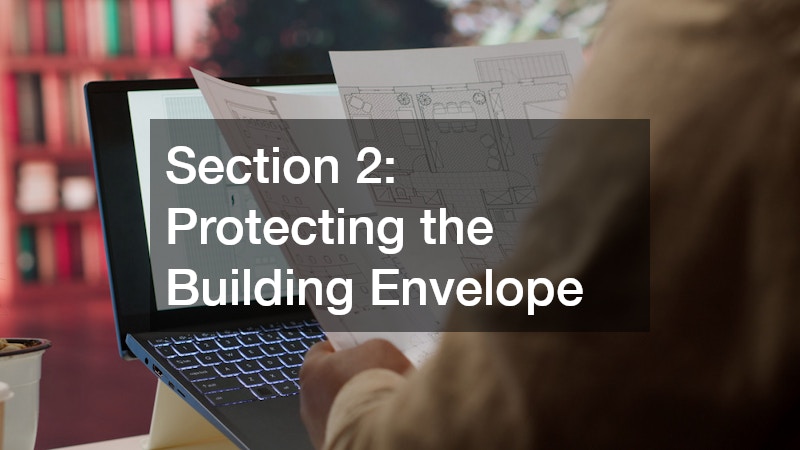
A building envelope encompasses the roof, sub-floor, exterior doors, windows, and exterior walls. It is the physical separator between the conditioned and unconditioned environment of a building. The primary function of the envelope is to facilitate climate control and protect the interior systems from weather, moisture, and extreme temperatures. When the envelope is compromised, energy costs skyrocket and water damage becomes a constant threat.
Power Wash and Inspect Exterior Surfaces Annually
The exterior walls of a high-rise or sprawling complex are constantly battered by UV radiation, wind-driven rain, smog, and biological growth like algae and mold. Over time, these elements break down sealants, erode masonry, and cause protective coatings to fail. An annual, comprehensive cleaning and inspection of the exterior is crucial for maintaining the structural integrity and visual appeal of the property.
It is important to use the correct cleaning methodologies based on the specific architectural materials of your building. High-pressure washing might be suitable for certain industrial surfaces, but it can force water deep into masonry joints or strip the finish off metal cladding. Soft-washing techniques, which utilize specialized cleaning solutions and low-pressure water, are often the safer choice for delicate materials.
During the annual cleaning process, facility managers should mandate a close-up visual inspection of the commercial building facade to identify hairline cracks, failing expansion joints, and degraded caulking around structural elements. Catching these vulnerabilities before winter weather sets in prevents moisture from infiltrating the wall cavity, where it can cause hidden mold growth and rot structural steel.
Schedule Biannual Checkups to Prevent Water Intrusion
The top of your building is the single most critical component of the envelope. It bears the brunt of severe weather and is your primary defense against catastrophic water intrusion. Roof maintenance must never be ignored, as the costs associated with repairing interior water damage, replacing ruined electrical equipment, and compensating displaced tenants far exceed the cost of routine preventative care.
A strict biannual roof inspection—ideally scheduled in the late spring and early fall—is non-negotiable. This routine ensures the roof is prepared for the extremes of summer heat and winter precipitation.
Your biannual roof maintenance checklist should include:
-
Debris removal: Clearing all branches, leaves, and trash that can puncture membranes or become fire hazards.
-
Drainage verification: Flushing all scuppers, interior drains, and gutters to ensure water flows freely off the roof, preventing the heavy, structural stress of ponding water.
-
Flashing inspection: Checking the metal flashing around HVAC units, vents, and parapet walls, as these transition points are the most common sources of leaks.
-
Membrane evaluation: Partnering with experts to perform preventative maintenance on commercial roofing systems—such as TPO, EPDM, or modified bitumen—to patch minor punctures and restore seam integrity before they escalate into massive failures.
Section 3: Optimizing Water Systems and Preventing Leaks
Plumbing infrastructure in large facilities is highly complex, often involving miles of pressurized pipes, massive domestic water heaters, cooling towers, and intricate wastewater systems. Because much of this infrastructure is hidden behind walls or buried underground, plumbing issues often go unnoticed until a catastrophic failure occurs. Proactive water system management is essential for conserving resources and preventing millions of dollars in flood damage.
Install Smart Water Meters and Leak Detection Sensors
The technological advancements in facility management have made it easier than ever to monitor water systems in real-time. Smart building technologies, specifically Internet of Things (IoT) devices, provide unprecedented visibility into a building’s utility consumption. By moving away from manual meter readings and adopting automated monitoring, property managers can detect anomalies the moment they occur.
A sudden, unexpected spike in water usage is often the first indicator of a hidden leak or a malfunctioning valve. Smart water meters track baseline consumption patterns and send instant alerts to management dashboards if flow rates deviate from the norm. To supplement these meters, physical leak detection sensors should be strategically placed in high-risk zones.
Key areas for leak detection sensor placement include:
-
Beneath commercial boilers and large-capacity water heaters.
-
Inside primary janitorial closets and laundry facilities.
-
Near main water line junctions and backflow prevention devices.
-
Around the base of cooling towers and major HVAC condensation pans.
Winterize Exposed Pipes Before Freezing Temperatures Hit
For properties located in regions that experience harsh winters, seasonal preparation of the plumbing system is a critical task. When ambient temperatures drop below freezing, standing water inside exposed pipes can freeze and expand, exerting immense pressure on the pipe walls. The resulting bursts can flood mechanical rooms and tenant spaces within minutes.
Facility managers must ensure that all exterior hose bibs are drained and shut off from the inside. Any pipes located in unconditioned spaces, such as parking garages, crawl spaces, or exterior mechanical penthouses, must be heavily insulated with high-grade thermal foam or fitted with thermostatically controlled heat trace cables.
Furthermore, the main sewer lines and critical safety valves require routine professional attention. It is highly advised to establish an ongoing contract with reliable commercial plumbing services to handle the annual hydro-jetting of complex sewer mains, scale removal in high-use pipes, and the legally mandated testing of backflow preventers to ensure the municipal water supply remains uncontaminated.
Section 4: Ensuring Safe and Reliable Power Distribution
A reliable power supply is the lifeblood of any modern commercial property. From running massive HVAC chillers to powering server rooms and providing adequate lighting, the electrical demands of a large facility are immense. Poorly maintained electrical systems not only lead to costly power outages and tenant disruptions but also pose severe fire and life-safety hazards.
Upgrade to LED Lighting to Reduce Utility Load
Lighting accounts for a massive percentage of a commercial building’s total energy expenditure. If your facility is still operating on legacy fluorescent tubes, high-intensity discharge (HID) lamps, or halogen bulbs, you are actively burning through your operating budget. Transitioning to a comprehensive LED lighting system is one of the fastest ways to realize a return on investment in facility upgrades.
LEDs consume a fraction of the electricity of traditional bulbs, produce significantly less ambient heat (which reduces the cooling load on your HVAC system), and boast lifespans that drastically reduce routine maintenance hours spent changing burnt-out bulbs.
To maximize these upgrades, facility managers should implement:
-
Occupancy and vacancy sensors: Automating lights in low-traffic zones such as stairwells, restrooms, and storage archives to ensure energy is only used when necessary.
-
Daylight harvesting systems: Utilizing photocells to automatically dim interior perimeter lights when natural sunlight is sufficient.
-
Load evaluations: Ensuring a certified commercial electrician evaluates the current electrical grid capacity and circuitry before retrofitting large-scale lighting arrays, preventing overloaded breakers and ensuring compliance with updated energy codes.
Conduct Annual Infrared Thermography on Breaker Panels
Electrical systems deteriorate silently. Loose connections, unbalanced loads, and degrading insulation cause localized resistance, which manifests as excess heat. Over time, this heat can melt wire casings, destroy expensive switchgear, and spark catastrophic electrical fires. Traditional visual inspections cannot detect these hidden thermal anomalies.
Infrared thermography is a non-invasive, predictive maintenance tool that allows professionals to “see” the heat signatures of electrical components under a normal load. By scanning main switchboards, motor control centers, and electrical distribution panels with thermal imaging cameras, technicians can identify failing components weeks or months before they actually break down.
Because this work involves opening live, high-voltage panels, it carries a severe risk of arc flash. Therefore, property managers must recommend hiring a licensed commercial electrical contractor to safely perform these specialized thermal imaging audits, interpret the diagnostic reports accurately, and execute any large-scale panel upgrades or repairs required to neutralize the detected hazards.
Section 5: Upgrading Insulation and Window Integrity

Maintaining a stable internal climate is paramount for tenant comfort and operational efficiency. The HVAC system works tirelessly to heat or cool the building, but if the thermal envelope is compromised, that conditioned air simply leaks out into the atmosphere. Windows and exterior sealants are notorious weak points in a building’s insulation strategy, requiring vigilant monitoring and periodic upgrades.
Assess Window Seals and Weatherstripping Every Fall
As buildings settle and materials expand and contract with temperature fluctuations, the sealants around window frames naturally degrade. Cracked caulking and flattened weatherstripping allow drafts to penetrate the building, forcing the HVAC system to work overtime to compensate for the thermal loss. This continuous overexertion not only spikes utility bills but drastically shortens the lifespan of mechanical heating and cooling units.
Facility teams should conduct a rigorous perimeter audit every autumn to prepare for winter.
Effective draft-detection and mitigation strategies include:
-
Visual audits: Inspecting the exterior perimeter of all window frames for dried, peeling, or missing caulking.
-
Smoke testing: Using specialized draft-detection smoke pencils around window sashes on windy days to visually pinpoint invisible air leaks.
-
Thermal imaging: Utilizing infrared cameras from the interior on cold days to identify cold spots around frames that indicate failed insulation.
-
Weatherstripping replacement: Systematically replacing worn-out silicone or brush weatherstripping on all operable windows and exterior pedestrian doors.
Invest in Low-E Glazing for High-Rise Structures
For structures with expansive glass facades, the windows themselves can be massive liabilities for energy efficiency. Older buildings often feature single-pane glass or early double-pane units that lack modern thermal technologies. During the summer, these windows allow massive amounts of solar radiation to enter the building, creating a greenhouse effect that overwhelms air conditioning systems.
Modernizing your windows does not always require ripping out the entire architectural framing. Low-emissivity (Low-E) coatings and argon-gas-filled window units dramatically reduce the transfer of heat while still allowing natural light to flood the interior space.
When insulated glass units begin to fail—evidenced by permanent condensation or “fogging” trapped between the panes—it is time to act. It is highly cost-effective to partner with a dedicated commercial glass company to safely extract the compromised glass and install modern, energy-efficient replacement panels directly into the existing structural frames, restoring thermal integrity with minimal disruption to the occupants inside.
Section 6: Modernizing Access Control and Perimeter Security
A property is only as valuable as it is secure. Large commercial facilities face a unique set of security challenges due to the sheer volume of daily foot traffic, multiple entry points, and varied tenant access needs. Relying on outdated security hardware and fragmented access policies leaves the property vulnerable to theft, vandalism, and unauthorized entry. Modernizing perimeter security is a critical pillar of facility management.
Audit Master Key Systems and Access Logs Monthly
In facilities that still rely heavily on physical metal keys, key control is a constant administrative battle. Over the years, master keys are handed out to facility staff, janitorial crews, and specialized contractors. If a master key is lost, stolen, or simply not returned by a former employee, the security of the entire building is immediately compromised.
Facility managers must implement strict key-control policies. This includes maintaining a meticulous ledger of who holds which key, utilizing patent-restricted key blanks that cannot be duplicated at a local hardware store, and conducting mandatory key audits on a monthly basis.
When a physical security breach does occur, time is of the essence. Consulting with a modern commercial locksmith can help facility directors map out a rapid response plan, quickly rekeying vulnerable perimeter zones and high-security interior doors to instantly lock out unauthorized individuals and restore the integrity of the building’s security perimeter.
Transition to Keyless Fob Entry for High-Traffic Areas
The most effective way to eliminate the risks associated with physical keys is to transition the facility to an electronic access control system. Keyless entry systems utilize encrypted key fobs, mobile smartphone credentials, or smart cards to grant access. This technology fundamentally changes how building security is managed, shifting it from a hardware problem to a software solution.
Electronic access control provides administrators with total flexibility. If a tenant loses their key fob, the credential can be instantly deactivated in the software database, rendering the lost fob useless without ever having to change a physical lock on a door. Furthermore, these systems provide a permanent, searchable digital audit trail of exactly who entered which door and at what time, which is invaluable for investigating security incidents.
To implement this infrastructure, it is crucial to recognize that many top-tier commercial locksmiths now specialize in far more than just brass keys and deadbolts; they are security integrators equipped to wire electronic strikes, install magnetic locks, deploy biometric fingerprint scanners, and connect cloud-based access control software to manage the modern commercial environment seamlessly.