
A successful home renovation doesn’t happen by accident. It’s the result of careful planning, proper sequencing, and smart coordination between multiple trades. When homeowners rush into cosmetic upgrades without addressing structural, mechanical, or exterior needs, they often face delays, budget overruns, and frustrating rework. Taking a step-by-step approach helps ensure that every phase builds on a solid foundation.
This guide walks through the full renovation process—from early groundwork to final finishing touches—so homeowners can understand what needs to happen, when it should happen, and why the order matters. By following a logical timeline, you can protect your investment, avoid unnecessary disruptions, and create a finished space that’s functional, durable, and tailored to your lifestyle.
Prepare the Property and Establish a Safe Construction Site
Preparing the property goes far beyond clearing space and bringing in equipment. This phase establishes the physical and logistical foundation for the entire renovation, and problems overlooked here tend to surface later as delays, structural issues, or budget overruns. A methodical approach ensures the site can safely accommodate construction activity from start to finish.
A comprehensive assessment should begin with a close look at existing site conditions. Soil composition, slope, and compaction all influence how well new foundations, slabs, or additions will perform over time. Clay-heavy soils, for example, may expand and contract with moisture changes, while sandy soils can shift if not properly stabilized. Identifying these conditions early allows engineers and contractors to plan appropriate solutions rather than reacting after work is underway.
Drainage evaluation is equally important. Water should always move away from the home, not toward it. Poor grading, clogged swales, or hidden low spots can funnel water toward foundations, increasing the risk of leaks, settlement, or mold. During preparation, contractors should identify how rainwater currently flows across the property and how construction might alter those patterns.
Access planning is another often underestimated factor. Renovations typically require delivery trucks, heavy machinery, dumpsters, and material staging areas. Without designated access routes, equipment can damage lawns, crack driveways, or interfere with neighboring properties. Planning these routes in advance protects existing features and keeps work moving efficiently.
When structural changes or utility upgrades are involved, site excavation services become essential. Proper excavation ensures that footings, trenches, and pads are built to the correct specifications and local code requirements. Skilled excavation crews manage:
-
Precise depth and width for footings and foundations
-
Proper trenching for utilities without disturbing surrounding soil
-
Soil compaction to prevent future settling
-
Temporary erosion control to protect adjacent areas
Inadequate excavation can lead to uneven slabs, cracked foundations, or misaligned structures, all of which are costly to correct later. Professional site excavation services also help coordinate with surveyors and inspectors, ensuring benchmarks and elevations are accurate before concrete is poured.
Additional best practices during site preparation include:
-
Clearly marking protected areas such as trees, fencing, or neighboring structures
-
Installing temporary fencing or barriers to enhance safety
-
Planning material staging areas to reduce unnecessary movement on-site
-
Reviewing weather forecasts to avoid excavation during periods of heavy rain
Handling these details early creates a controlled construction environment. Contractors can work safely, inspections proceed smoothly, and subsequent phases stay on schedule. By investing time in thorough property preparation, homeowners reduce risk, protect their investment, and set the stage for a renovation that progresses efficiently from the ground up.
Secure the Home’s Exterior Before Interior Work Begins
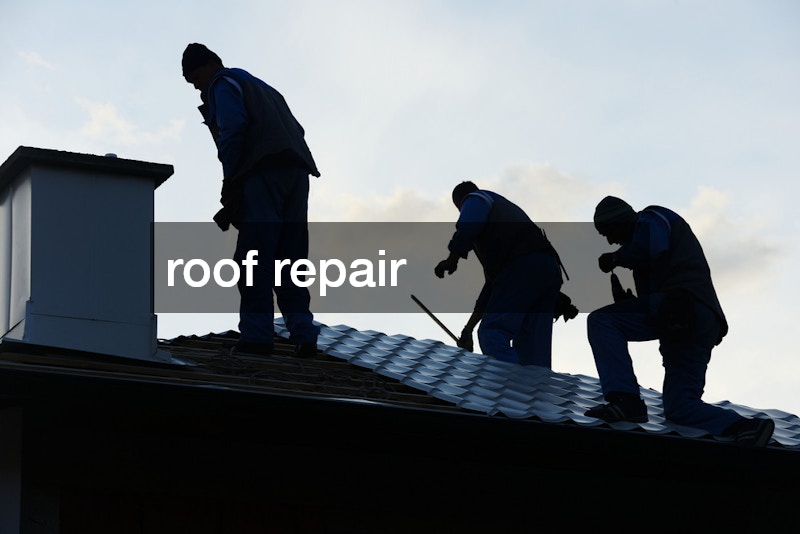
Protecting the exterior envelope is about more than preventing leaks—it’s about creating a stable, predictable environment for every phase that follows. Once interior work begins, materials such as insulation, drywall, cabinetry, and flooring become highly vulnerable to moisture. Even brief exposure can lead to warping, staining, or hidden damage that may not appear until months after the project is complete.
A thorough exterior evaluation should go beyond a quick visual check. Roofing professionals typically examine how all components work together as a system. Shingles or roofing panels are only one layer of defense; flashing, underlayment, and ventilation all play equally important roles. Missing or poorly installed flashing around roof edges, valleys, or penetrations is a common source of slow leaks that can be difficult to detect once ceilings and walls are closed.
Structural elements also deserve close attention. Soft decking, sagging roof lines, or damaged rafters indicate underlying issues that must be corrected before any interior investment is made. Ignoring these warning signs can allow problems to worsen under the added stress of new materials or altered loads.
During this phase, roof repair should be approached strategically rather than reactively. Repairs may range from replacing damaged shingles and resealing penetrations to reinforcing decking or upgrading ventilation. Addressing these needs early prevents situations where interior work must be paused or partially undone due to unexpected leaks.
Key considerations when securing the exterior include:
-
Ensuring flashing is properly installed at all roof transitions and penetrations
-
Verifying that roof ventilation supports moisture control and energy efficiency
-
Checking attic insulation for signs of past leaks that may need remediation
-
Confirming that gutters and downspouts direct water safely away from the home
Timing is critical. Roofing work is best scheduled before insulation and drywall installation, allowing crews full access to framing and structural components. This also minimizes the risk of debris or moisture affecting finished surfaces.
Practical steps homeowners can take during this stage include:
-
Reviewing inspection reports and repair recommendations carefully
-
Coordinating roofing schedules with other exterior or structural work
-
Taking detailed photos before and after repairs for documentation
-
Confirming warranty coverage on materials and workmanship
By securing the exterior envelope first, homeowners create a protective barrier that safeguards every subsequent renovation phase. Interior trades can work without concern for water intrusion, timelines remain intact, and the finished spaces are far more likely to perform as intended over the long term.
Address Plumbing Infrastructure and Hot Water Needs Early

Plumbing decisions made at the beginning of a remodel have long-lasting consequences, both in terms of performance and cost. Because supply lines, drainpipes, and venting are typically concealed behind finished surfaces, even small oversights can require extensive demolition to correct later. Addressing these systems early allows upgrades to be integrated cleanly and efficiently.
A thorough assessment by a plumbing company should start with identifying the age, material, and configuration of existing piping. Homes built decades ago may still rely on materials that are prone to corrosion, scaling, or reduced flow. In some cases, pipes that once met household needs are no longer adequate for added bathrooms, upgraded kitchens, or modern appliances that place greater demand on water supply and drainage.
During the evaluation, plumbers typically look at several performance factors:
-
Pipe diameter and material suitability for current usage
-
Signs of leaks, corrosion, or mineral buildup
-
Venting systems that support proper drainage and odor control
-
Drain slopes and clean-out access for future maintenance
Layout planning is equally important. Remodeling often involves relocating fixtures or adding new ones, which can strain existing drain lines if not designed properly. Adjusting these layouts early ensures gravity-based drainage works correctly and reduces the risk of slow drains or backups once the home is in use.
Hot water planning deserves special attention, particularly in larger remodels. A water heater contractor can help determine whether the existing system can meet increased demand from additional bathrooms, larger tubs, or high-efficiency appliances. Simply replacing an old unit with a similar-sized model may not be sufficient if household usage patterns have changed.
When planning hot water upgrades, homeowners should consider:
-
Peak demand times and simultaneous usage
-
Energy efficiency and long-term operating costs
-
Space requirements for traditional versus tankless systems
-
Compatibility with existing fuel or electrical infrastructure
Timing these upgrades correctly keeps the renovation on track. Completing rough-in plumbing before framing and drywall allows for easy inspection and adjustment. It also gives designers and builders flexibility to fine-tune layouts without compromising finished surfaces.
Additional practical steps include:
-
Reviewing plumbing plans alongside kitchen and bathroom layouts
-
Confirming shut-off locations are accessible for future maintenance
-
Testing pressure and flow before closing walls
-
Scheduling inspections promptly to avoid delays
By prioritizing plumbing infrastructure and hot water systems early, homeowners avoid disruptive tear-outs, protect new finishes, and ensure reliable water performance throughout the remodeled space.
Upgrade Climate Control and Electrical Systems Before Finishes

Comfort and safety depend heavily on properly functioning heating, cooling, and electrical systems. As renovations add square footage, appliances, and technology, existing systems may no longer be sufficient.
Before walls and ceilings are closed, evaluate whether HVAC equipment can meet the new demands. Addressing HVAC repairs early allows contractors to adjust ductwork, improve airflow, and replace failing components without damaging finished surfaces.
Common HVAC-related considerations include:
-
Uneven temperatures in remodeled spaces
-
Outdated or inefficient equipment
-
Poorly sized ductwork for new layouts
Electrical upgrades are just as important. Renovations often require additional circuits, outlets, and lighting. Licensed residential electricians can assess panel capacity, wiring condition, and grounding to ensure everything meets current codes.
Actionable planning tips:
-
Map out outlet, switch, and lighting locations based on actual use.
-
Schedule inspections before insulation and drywall are installed.
-
Coordinate HVAC and electrical layouts to avoid conflicts.
Completing these upgrades early ensures that comfort systems operate efficiently and safely without requiring costly modifications later.
Transform Lower Levels With Careful Planning
Lower-level spaces offer valuable square footage, but they come with unique challenges that require thoughtful planning. Basement remodeling is most successful when moisture control, insulation, and system integration are addressed upfront.
Before finishing a basement, assess:
-
Signs of water intrusion or humidity issues
-
Foundation cracks or structural concerns
-
Ceiling height and egress requirements
Mechanical systems often run through basements, so coordination is critical. Plumbing lines, electrical wiring, and HVAC components should be integrated into the design rather than treated as afterthoughts.
Best practices for basement renovations include:
-
Installing vapor barriers and proper drainage solutions
-
Using moisture-resistant materials for flooring and walls
-
Planning flexible layouts that can adapt to future needs
During basement remodeling, prioritizing durability and code compliance ensures the space remains comfortable and functional long-term.
Actionable tips:
-
Test moisture levels before selecting finishes.
-
Ensure adequate lighting and ventilation.
-
Confirm emergency egress requirements are met.
With proper preparation, lower levels can become some of the most versatile spaces in the home.
Bring Function and Style Together in Living Spaces
Once systems and structural elements are complete, attention can shift to aesthetics and usability. This is where thoughtful planning pays off, allowing homeowners to create spaces that look great and function well.
Effective interior designs consider how each room will be used daily. Layout decisions should support movement, storage, and lighting needs while aligning with the home’s overall style.
Key elements to evaluate include:
-
Furniture placement and traffic flow
-
Natural and artificial lighting balance
-
Material durability for high-use areas
Well-executed interior designs balance visual appeal with practical considerations, ensuring that finishes don’t just look good on day one but continue performing for years.
Actionable steps for this phase:
-
Finalize layouts before ordering custom materials.
-
Test paint colors and lighting combinations in real conditions.
-
Coordinate finish installation schedules to avoid overlap.
By aligning style choices with functional needs, homeowners create spaces that enhance daily living rather than complicate it.
Complete Exterior Improvements and Enhance Usability

Exterior finishing work should take place after heavy construction is complete to avoid damage. This phase focuses on access, safety, and curb appeal—elements that make the home more enjoyable and practical.
Hardscape improvements such as driveways, walkways, and patios improve usability and drainage. Partnering with a paving company ensures surfaces are properly graded and built to withstand traffic and weather.
Exterior lighting is another important upgrade. Working with an outdoor lighting company allows homeowners to improve visibility, security, and nighttime aesthetics without interfering with earlier construction.
Key exterior enhancements to consider:
-
Driveways and paths that improve access and reduce erosion
-
Lighting that highlights entrances and outdoor features
-
Grading adjustments that direct water away from the home
Actionable tips for exterior completion:
-
Schedule paving and lighting after major equipment is removed.
-
Verify drainage paths before finalizing surfaces.
-
Test lighting placement at night before final installation.
Finishing exterior work last ensures everything remains intact and delivers a polished final result.
A home renovation is a complex process, but it doesn’t have to be overwhelming. By following a clear, step-by-step timeline, homeowners can make informed decisions, avoid costly mistakes, and keep their projects on track. Addressing structural needs first, coordinating mechanical systems early, and saving finishes for the end creates a smoother experience from start to finish.
When each phase builds logically on the last, the result is a home that’s not only beautiful but also comfortable, efficient, and built to last.